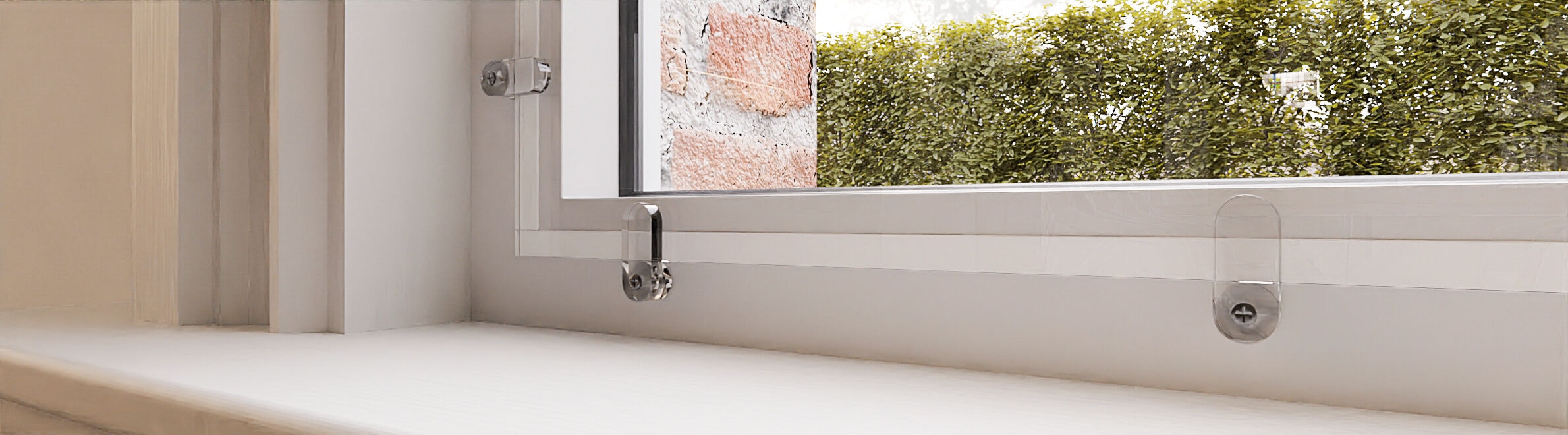
Installing your own secondary glazing in a few simple steps (DIY)

Installing DIY secondary glazing is an effective way to improve the thermal efficiency of your windows, reduce draughts and help minimise outside noise, all without replacing your existing glazing. With the right preparation, it's a straightforward project that most competent DIYers can complete in around 90 minutes.
In this step-by-step guide, we'll show you exactly how to install secondary glazing using two different fixing methods. We recommend the installation method with glazing clips wherever possible, as they make the secondary glazing easy to remove and reinstall for cleaning. If glazing clips aren't suitable for your window frame, we'll also explain the fixed installation with screws, with detailed instructions, photos and videos for both methods.
Task time: +/- 1.5 hours
Difficulty level: Easy
Task time: +/- 1.5 hours
Is DIY secondary glazing right for your windows?
DIY secondary glazing is suitable for most timber window frames, but before you begin, it's worth checking a few key points to make sure you choose the right installation method.
Your window frame is in good condition and can accept screws or glazing clips.
- There is enough clearance around the window for the secondary glazing to sit flat without fouling handles or hinges.
- Your window falls within our recommended maximum dimensions for DIY installation.
- You have measured the window opening accurately before ordering your secondary glazing.
- The window is not subject to planning restrictions, such as being part of a listed building or located within a conservation area, where additional permissions may be required.
- Frame thickness at least 3.5 cm
- Frame that you can screw into
- No protruding hinges or handles
- Longest side of window maximum 2 metres
What do you need?
- Secondary glazing for installation (without mounting clips/Velcro tape)
- Glazing clips
- Insulation tape (25 metres)
- Duct tape
- Scissors
- Screwdriver with Phillips bit
- Pencil
- Ruler or tape measure
- Polishing cloths (package of 5)
- Vuplex plastic cleaner 235 ml
- Long wooden slat
- G-clamps
Secondary glazing for installation (without mounting clips/Velcro tape)
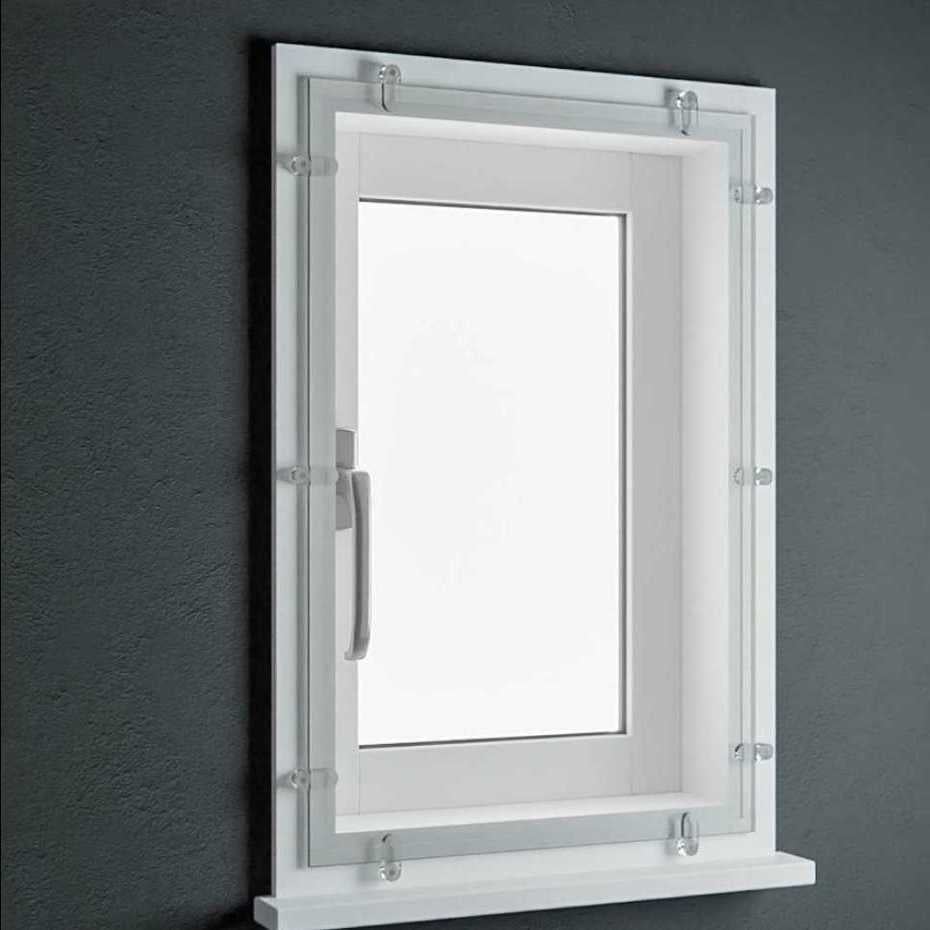
Secondary glazing for installation (without mounting clips/Velcro tape)
£13.34Incl. VAT
Glazing clips
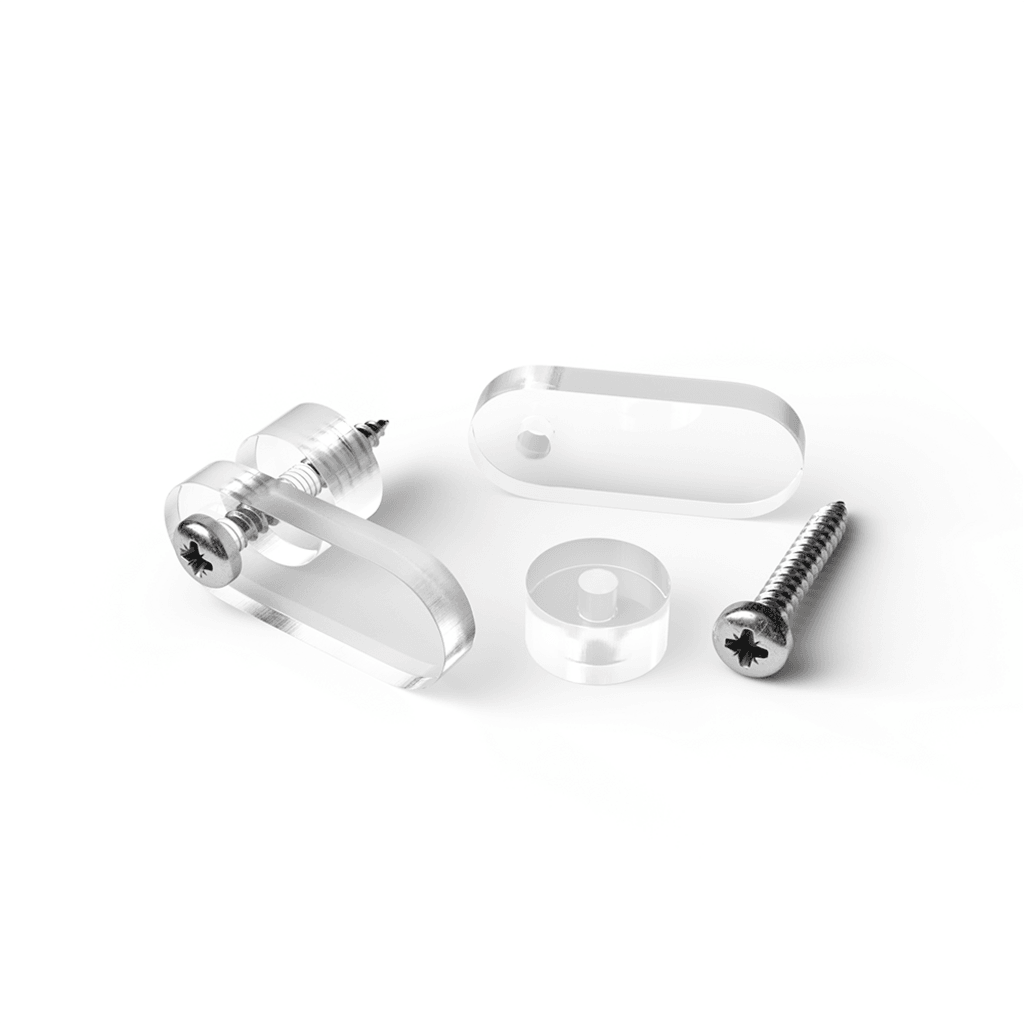
Glazing clips
£4.74Incl. VAT
Insulation tape (25 metres)
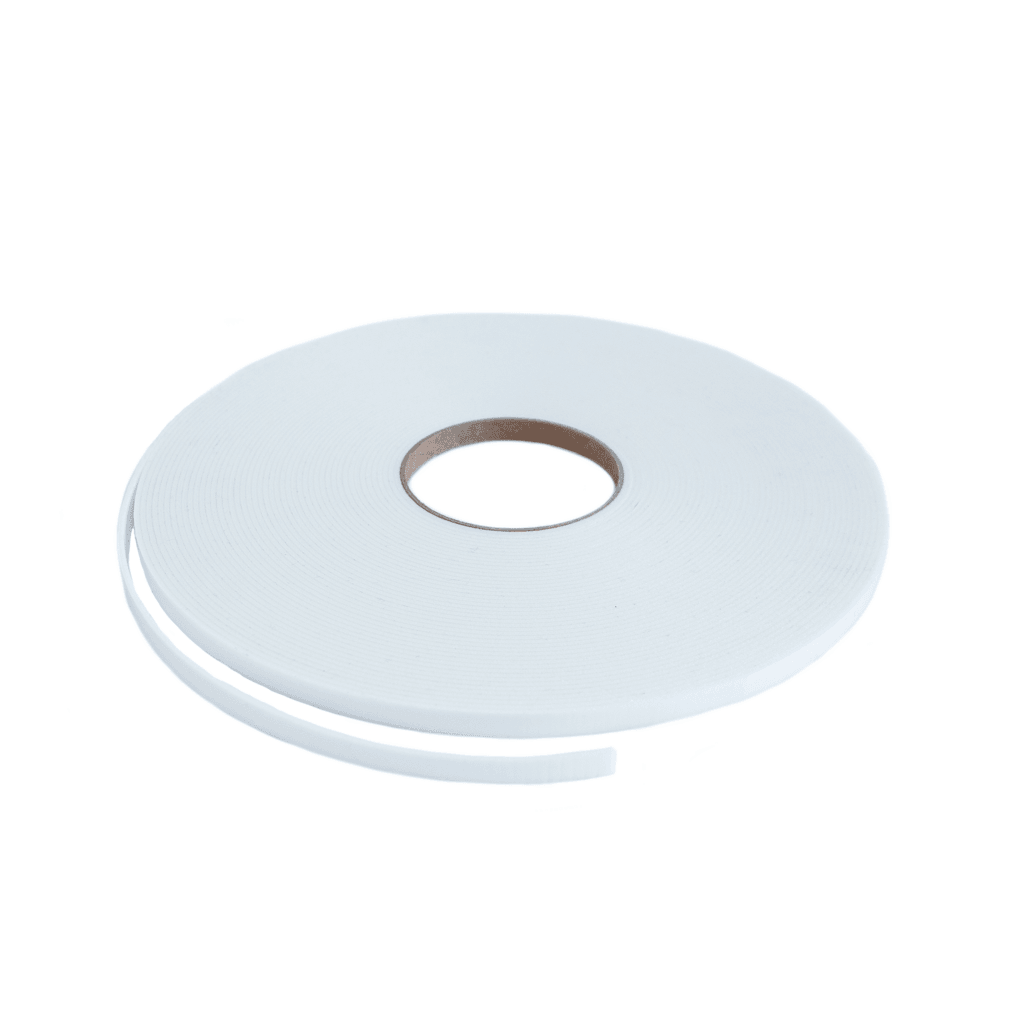
Insulation tape (25 metres)
£5.94Incl. VAT
1
Step 1: Remove protective film
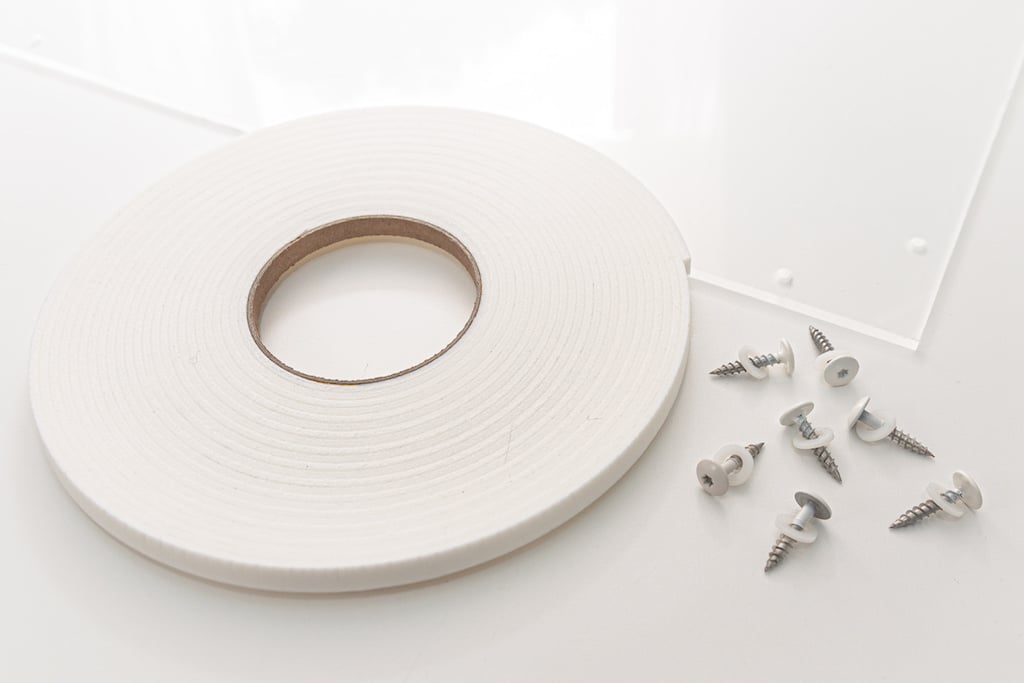
Provide a dust-free clean area so that no dirt can get between your window and the secondary glazing. Remove the protective film on one side of the secondary glazing, and clean the edges with an anti-static cloth.
2
Step 2: Apply insulation tape
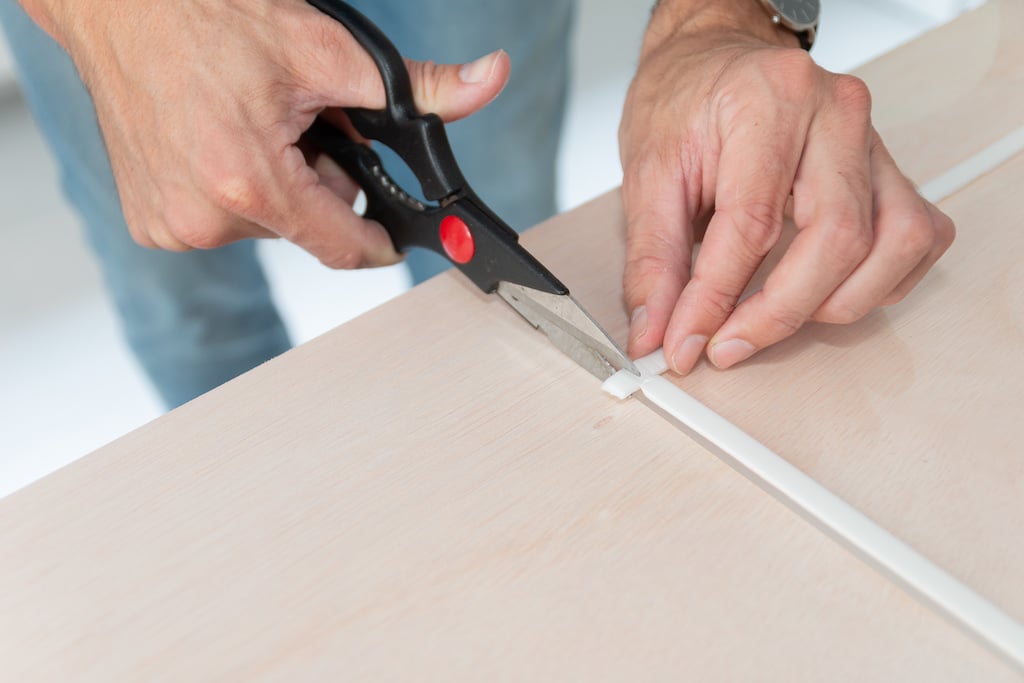
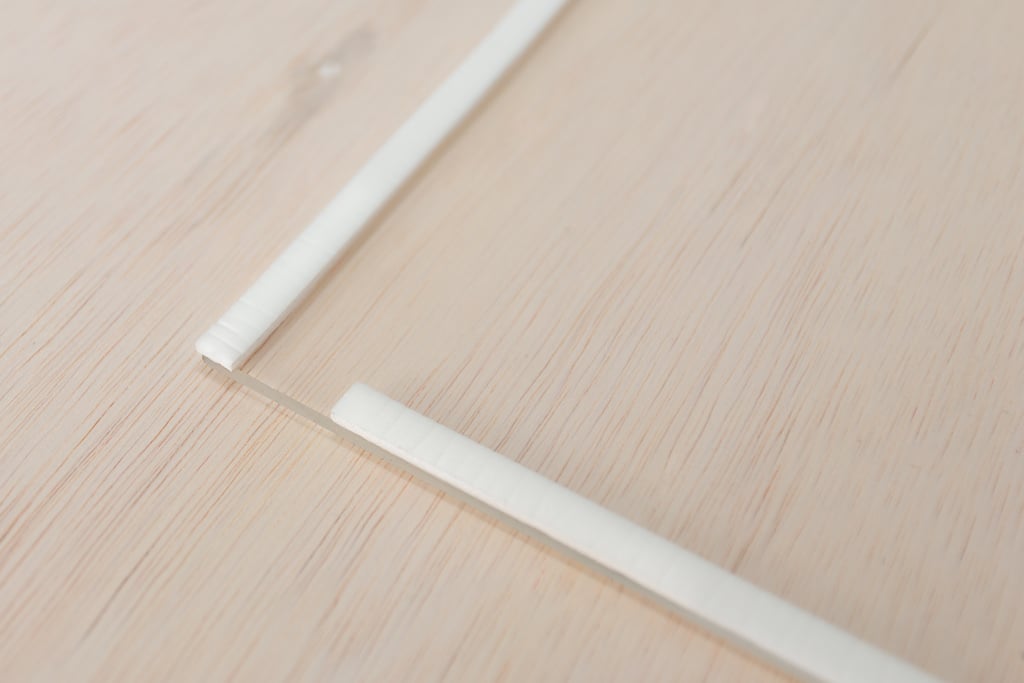
Stick the insulation tape along the edges of the secondary glazing. The insulation tape is self-adhesive when you unroll it. The insulation tape sticks instantly, and once it is stuck it is very difficult to remove. By laying a wooden slat along the edge, you make sure the insulation tape is straight. Make sure you fix the slat with clamps while sticking. Make sure the insulation tape fits tightly at the corners to avoid drafts, and cut it off after sticking. Now press down the insulation tape firmly.
3
Step 3: Ventilation
Note that old frames can become damp on the inside. If this is the case with you, leave part of the insulation tape open to allow the secondary glazing to ventilate. Leave two 2-cm pieces at the bottom of the secondary glazing open, one at the bottom left and one at the bottom right.
4
Step 4: Marking out secondary glazing
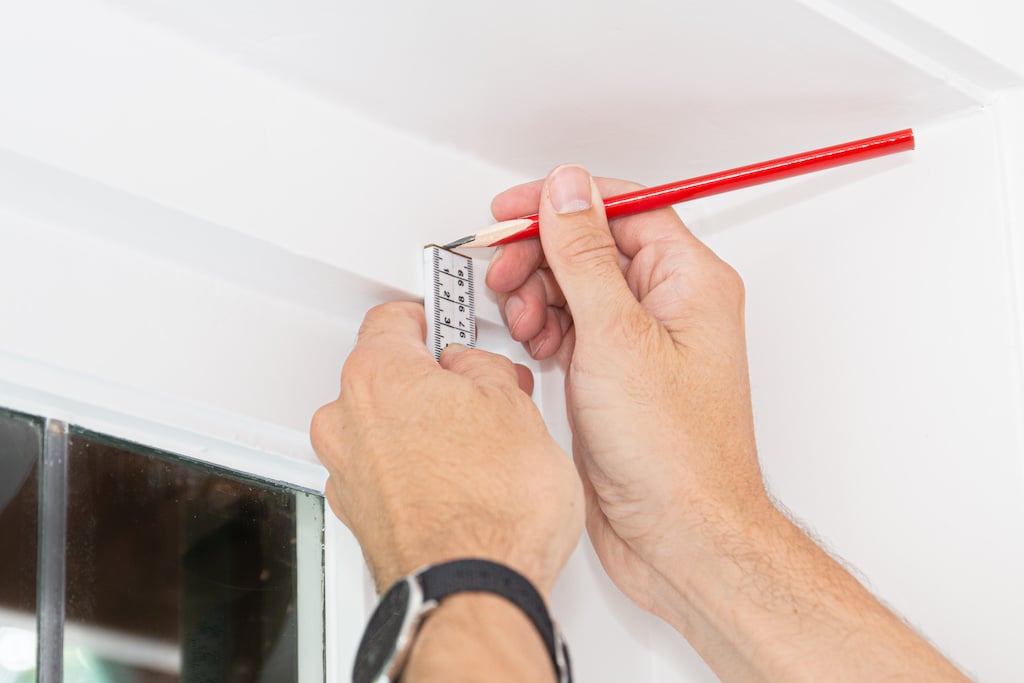
Mark out the position of the secondary glazing in several places around the opening of the frame. These will be at a distance of 2 cm from the edge of the window frame. Draw two lines on the left and right at the top of the window frame. Draw a line near the top on both sides, to enable you to position the secondary glazing straight. Again, draw these at 2 cm distance from the opening of the frame.
5
Step 5: Positioning the secondary glazing
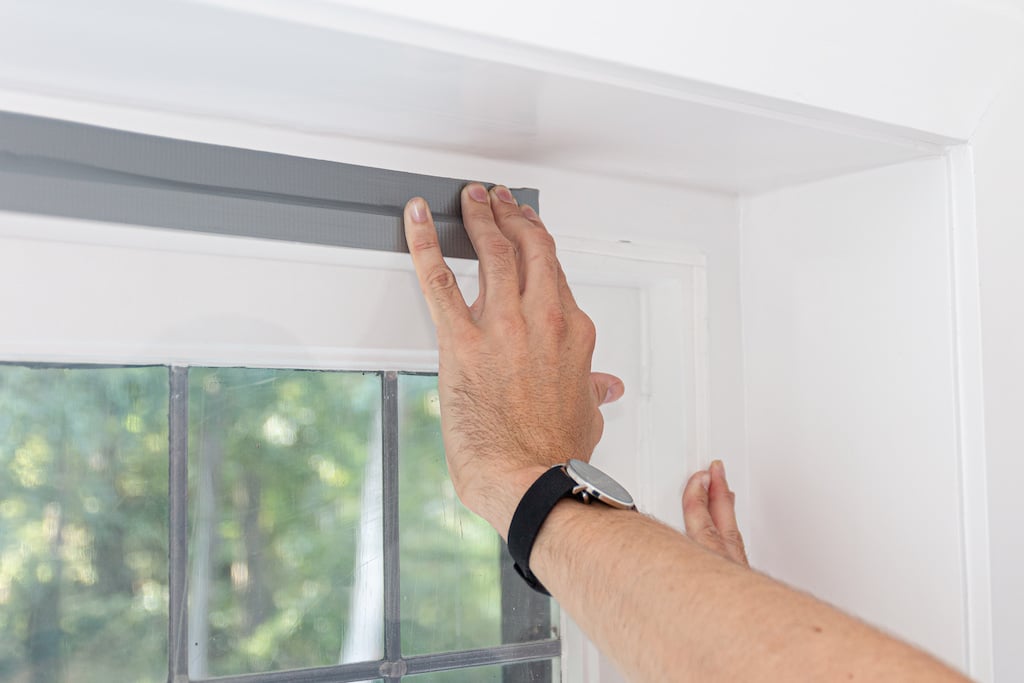
Take your supplied secondary glazing and apply duct tape to the top. Use this to tape the secondary glazing in the marked position. Temporarily tape the secondary glazing to your frame. On the underside, apply an extra piece of tape to fully fix the sheet in position. Press the duct tape well.
6
Step 6: Marking out glazing clips
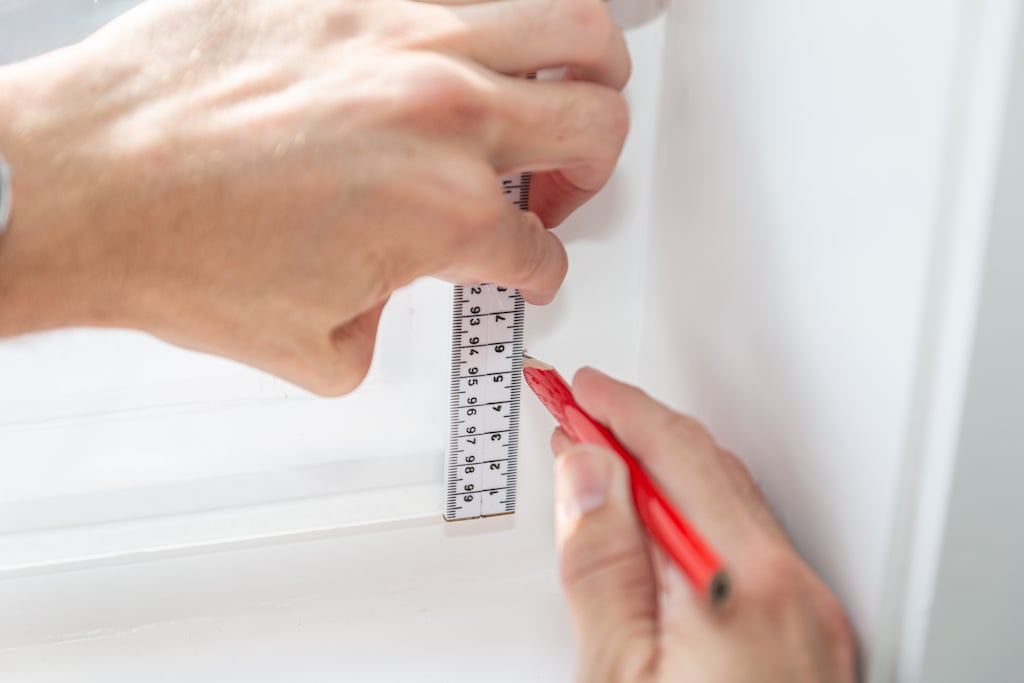
Now we are going to mark the fixing points of the glazing clips on the frame. The glazing clips will later be screwed at a distance of 0.6 cm from the edge of the secondary glazing. Mark them out 5 cm from each corner. Then distribute the remaining glazing clips evenly between these points on all sides. Space the intermediate glazing clips a maximum of 30 to 40 cm apart.
7
Step 7: Screwing glazing clips in place
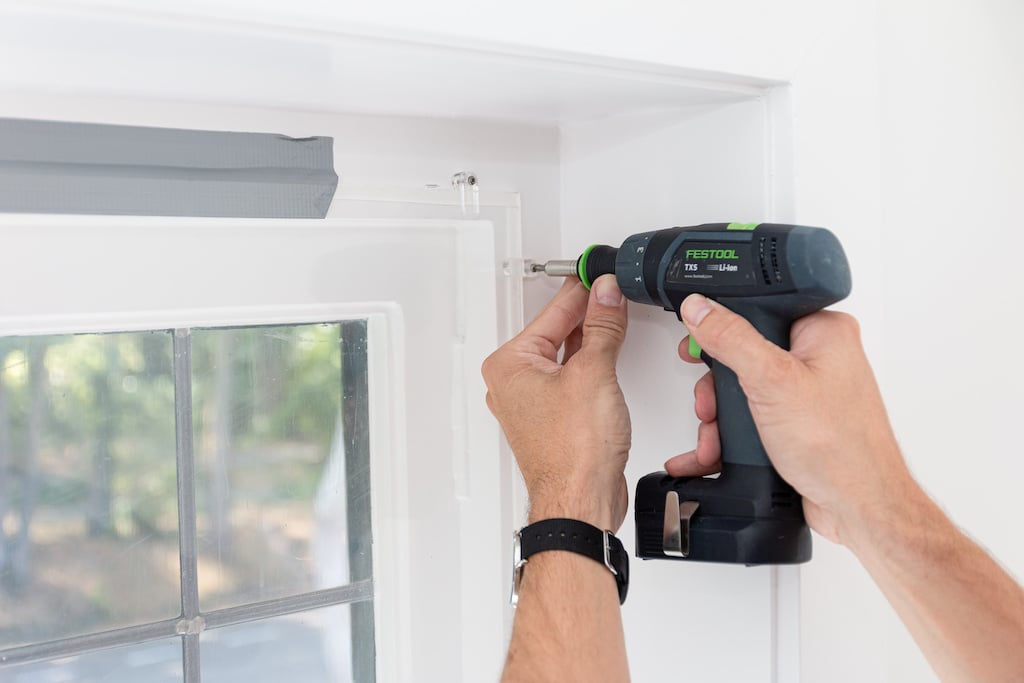
Remove the protective film from the glazing clip parts. Assemble the parts by inserting the screw through them. Place the glazing clip in the right place with the spacer against the edge of the secondary glazing so that it is clamped in. Screw down the glazing clips using a screwdriver with Phillips bit. Start by screwing the lower glazing clips in place. Make sure not to overtighten the screw. The glazing clip should still be able to rotate.
8
Step 8: Finishing off
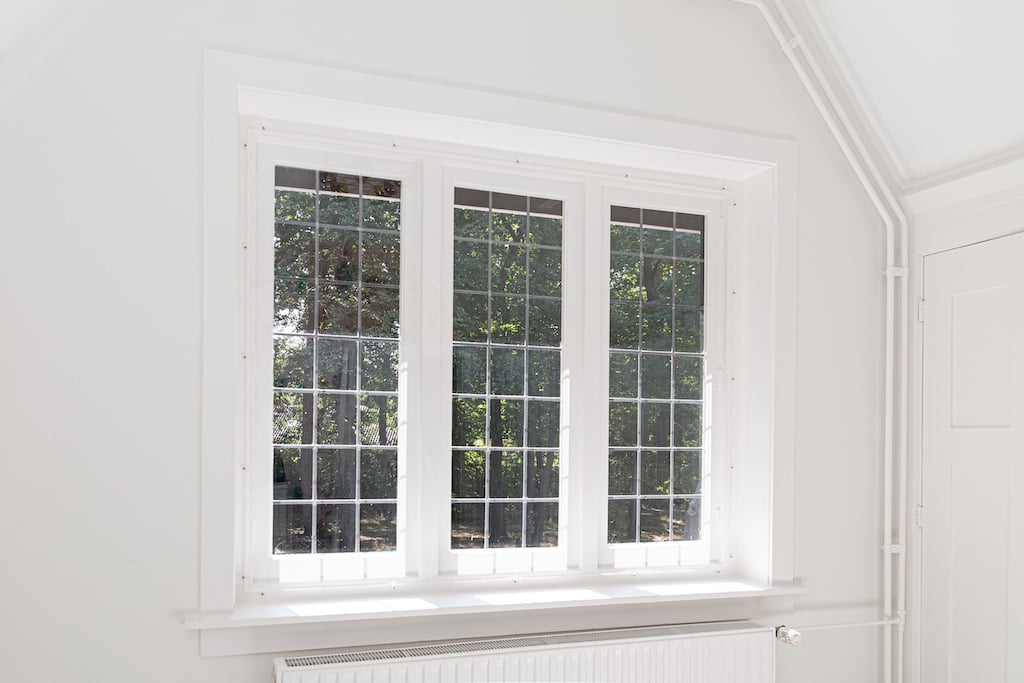
Remove the duct tape and then remove the secondary glazing from the glazing clips. Now remove the protective film and clean the sheet with an antistatic cleaner and a soft cloth. If you don't have an antistatic cleaner, all-purpose cleaner is also good. Never use glassex on your sheet. This can make the sheet dull. Clamp the secondary glazing back into place with the glazing clips. Your secondary glazing is now finished.
9
The results
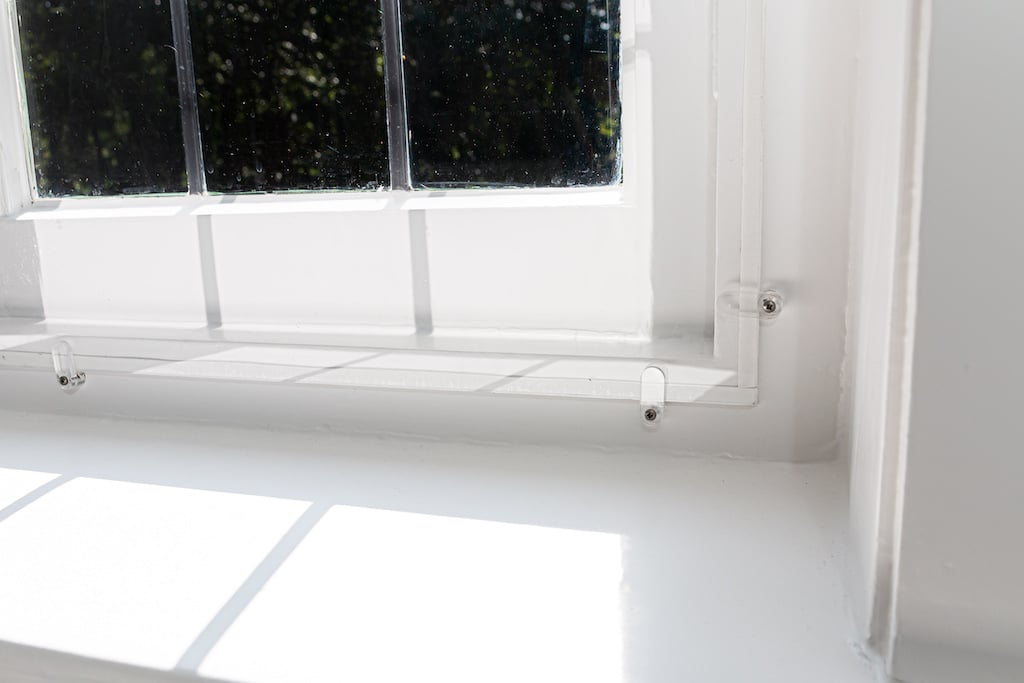
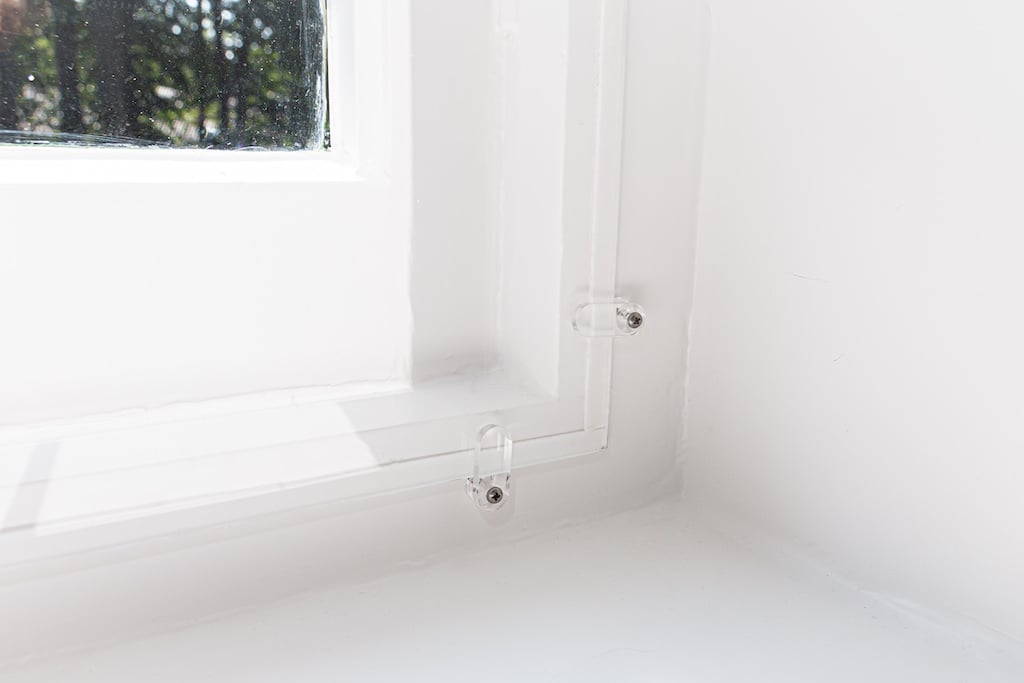
Step-by-step guide for fixed installation of secondary glazing with screws Is your frame not suitable for installation with glazing clips? Then fixed installation may be an option. Conditions for fixed installation with screws:
- Frame thickness at least 3 cm
- Frame suitable for drilling and screwing
- No protruding handles or hinges
- Longest side of window maximum 3 metres
What do you need?
- Secondary glazing for installation (without screws)
- Insulation tape (25 metres)
- Screw white with nylon washer
- Pencil
- Ruler or tape measure
- Screwdriver
- 3 mm diameter wood drill bit
- Torx bit (per piece)
- Duct tape
- Polishing cloths (package of 5)
- Vuplex plastic cleaner 235 ml
- Long slat of wood
- G-clamps
Secondary glazing for installation (without screws)
Secondary glazing for installation (without screws)
£13.34Incl. VAT
Screw white with nylon washer

Screw white with nylon washer
£14.34Incl. VAT
Insulation tape (25 metres)
Insulation tape (25 metres)
£5.94Incl. VAT
1
Step 1: Holes
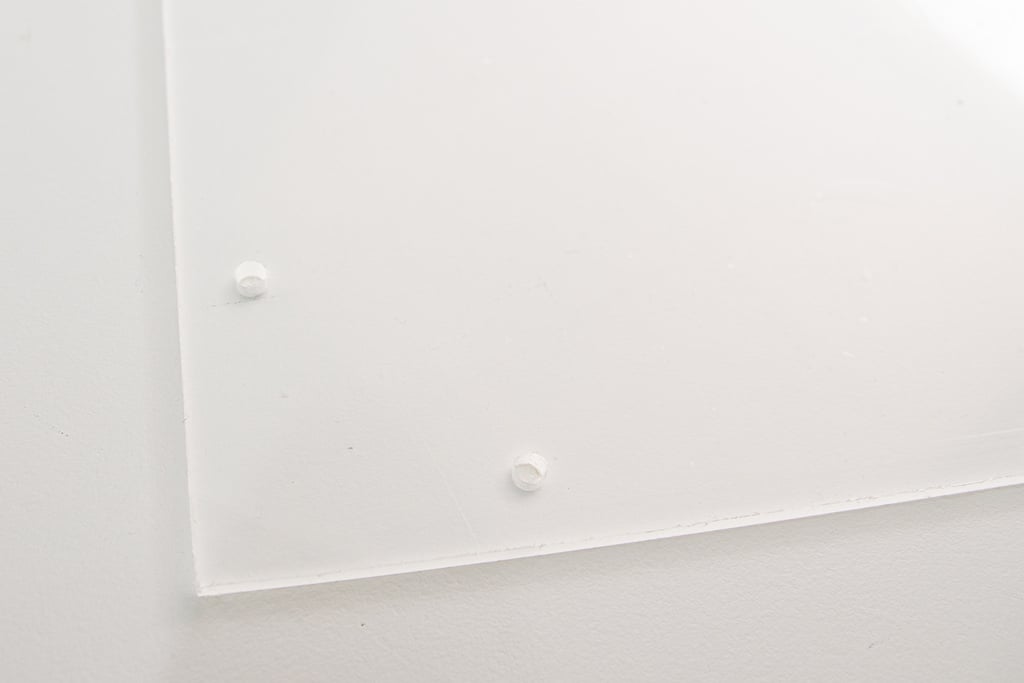
We recommend ordering secondary glazing with pre-drilled holes. You can add these drill holes via our webshop when ordering your secondary glazing.
• Make sure the holes are 0.8 cm in diameter.
• The centre of the holes must be at a distance of 1.2 cm from the edges.
• The first holes on each side are located 5 cm from each corner.
• The other holes should then be separated by a maximum of 30 to 40 cm.
We have configured a model secondary glazing with holes which you can customise to your own dimensions. You can also choose to drill the holes yourself. You can use the instructions for acrylic drilling to do so. Choose cast acrylic if you intend to drill the holes yourself.
2
Step 2: Remove protective film
Provide a dust-free clean area so that no dirt can get between your window and the secondary glazing. Remove the protective film on one side of the secondary glazing, and clean the edges with the anti-static cloth.
3
Step 3: Apply insulation tape
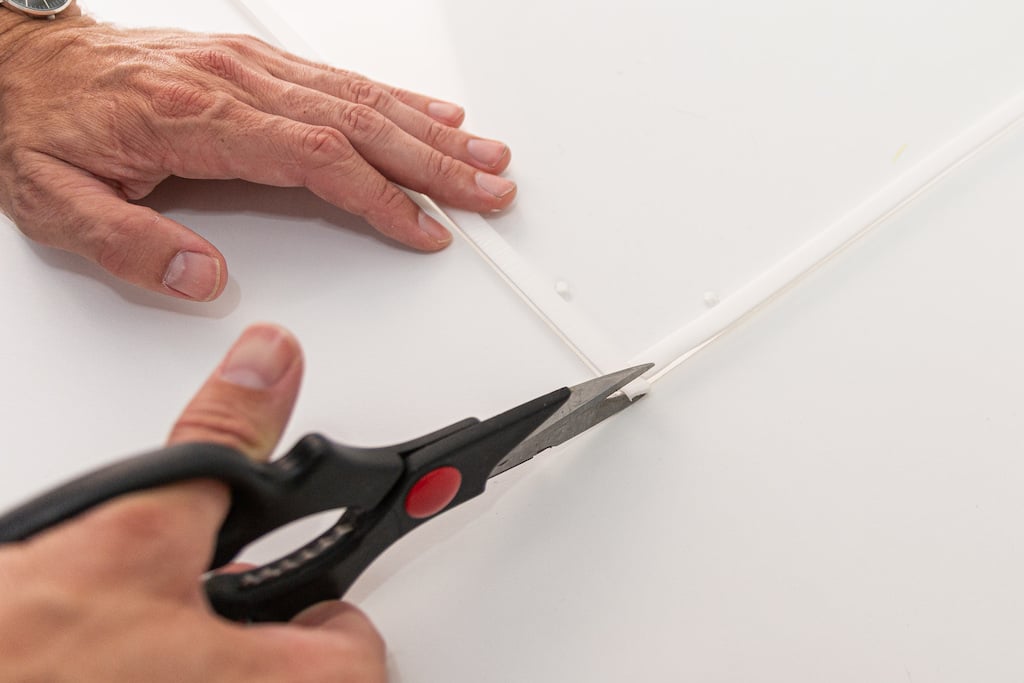
Stick the insulation tape along the edges of the secondary glazing. The insulation tape is self-adhesive when you unroll it. The insulation tape sticks instantly, and once it is stuck it is very difficult to remove. By laying a wooden slat along the edge, you make sure the insulation tape is straight. Make sure you fix the slat with clamps while sticking. Make sure the insulation tape fits tightly at the corners to avoid drafts, and cut it off after sticking. Now press down the insulation tape firmly.
4
Step 4: Ventilation
Note that old frames can become damp on the inside. If this is the case with you, leave part of the insulation tape open to allow the secondary glazing to ventilate. Leave two 2-cm pieces at the bottom of the secondary glazing open, one at the bottom left and one at the bottom right.
5
Step 5: Marking out the secondary glazing
Mark out the position of the secondary glazing in several places around the opening of the frame. These will be at a distance of 2 cm from the edge of the window frame. Draw two lines on the left and right at the top of the window frame. Draw a line near the top on both sides, to enable you to position the secondary glazing straight. Again, draw these at 2 cm distance from the opening of the frame.
6
Step 6: Taping the secondary glazing
Take your supplied secondary glazing and apply duct tape for temporary fixing. Stick the duct tape at the top first. Position the secondary glazing along the drawn lines. Then temporarily tape the secondary glazing to your frame. Stick an extra piece of tape on the underside to fully fix the secondary glazing in position. Press the duct tape down firmly.
7
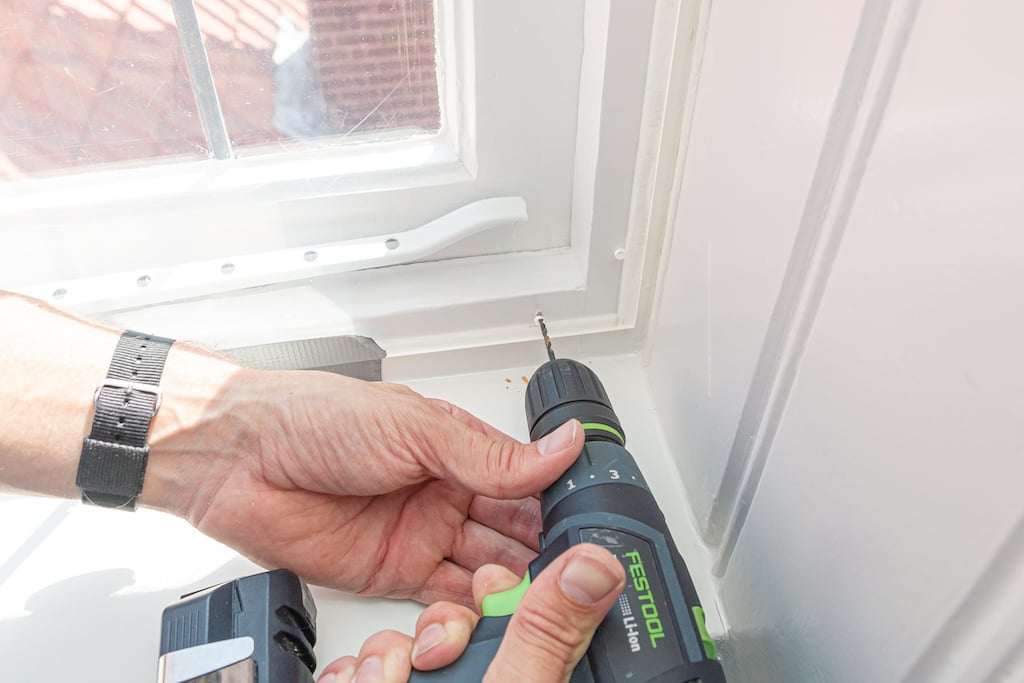
Step 7: Pre-drilling holes
With a 3 mm wood drill bit, now mark the positions to pre-drill later. Before marking, run the drill briefly through all the holes. Make sure you mark the positions in the middle of the pre-drilled holes. Loosen the duct tape and remove the secondary glazing to fully pre-drill the holes.
Drill the holes about 4 cm deep. When all holes have been pre-drilled, clean the window with anti-static cloth and anti-static cleaner and replace it using the duct tape.
8
Step 8: Screwing secondary glazing in place
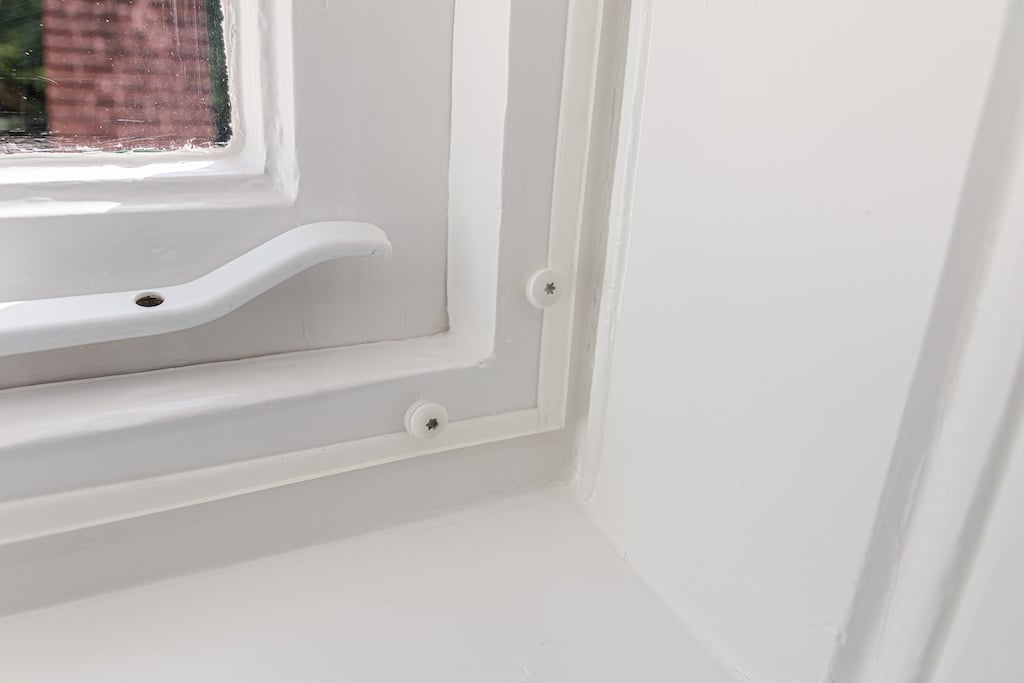
Combine the screws with a washer. Use a torx bit to screw the screws into the pre-drilled holes. To do this, locally remove all the protective film at the positions of the drill holes to allow space for the screw head. Screw the secondary glazing in place. Do this by running the drill at low speed. Do not screw in the screws too tightly, to avoid putting too much tension on the secondary glazing.
9
Step 9: Finishing off
Remove the duct tape and protective film. Clean the sheet, preferably with antistatic cleaner and cloth. If you do not have an antistatic cleaner, all-purpose cleaner is also possible. Never use glassex on your sheet. This can make the sheet dull.
10
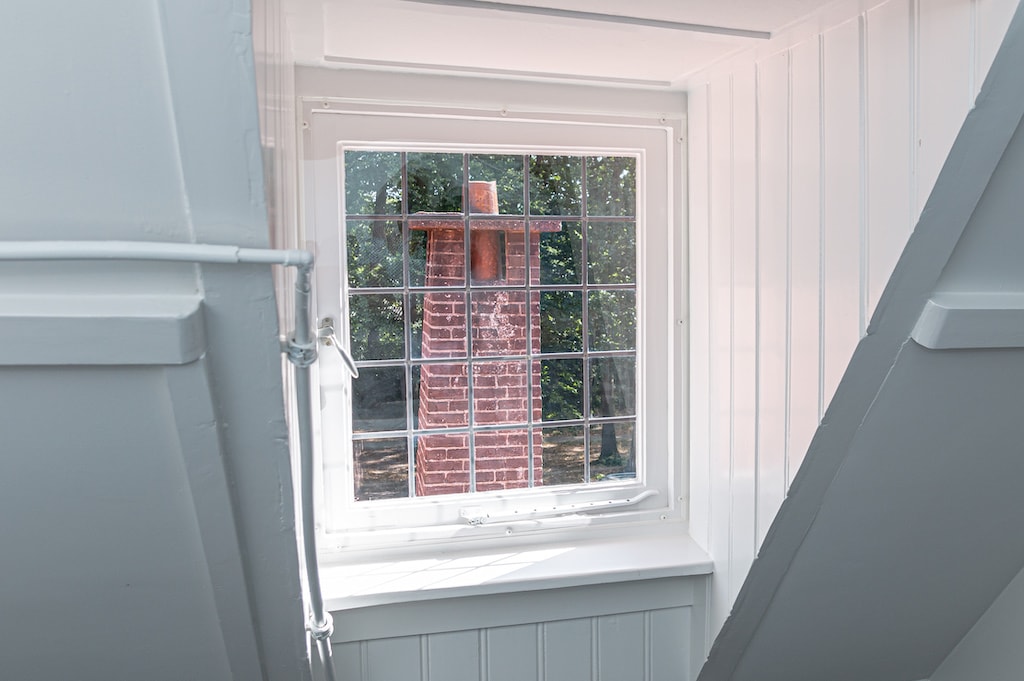
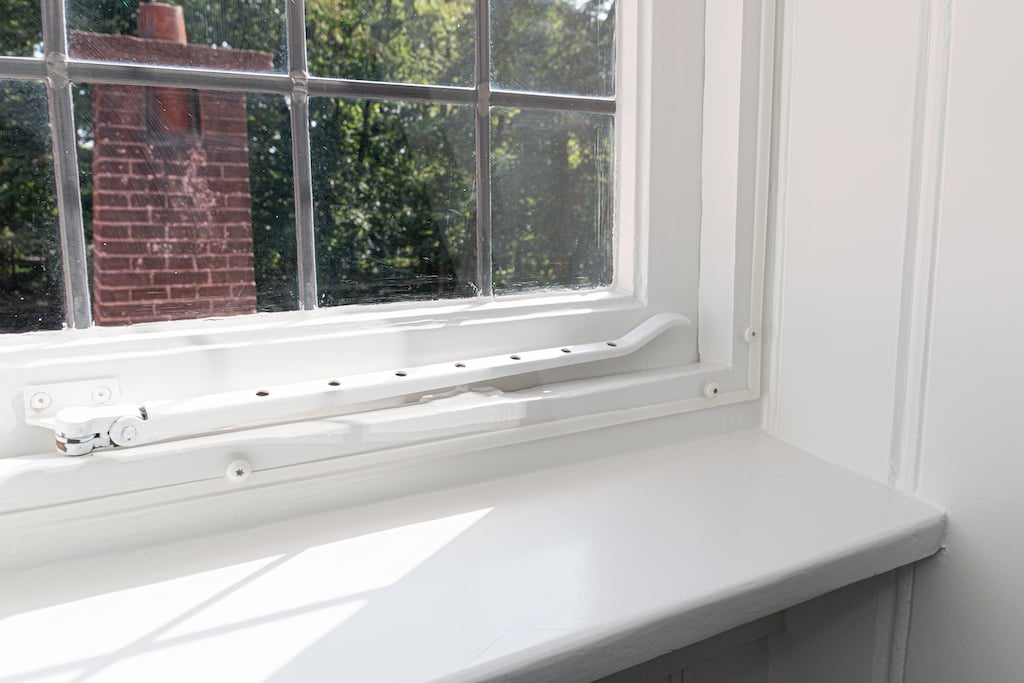
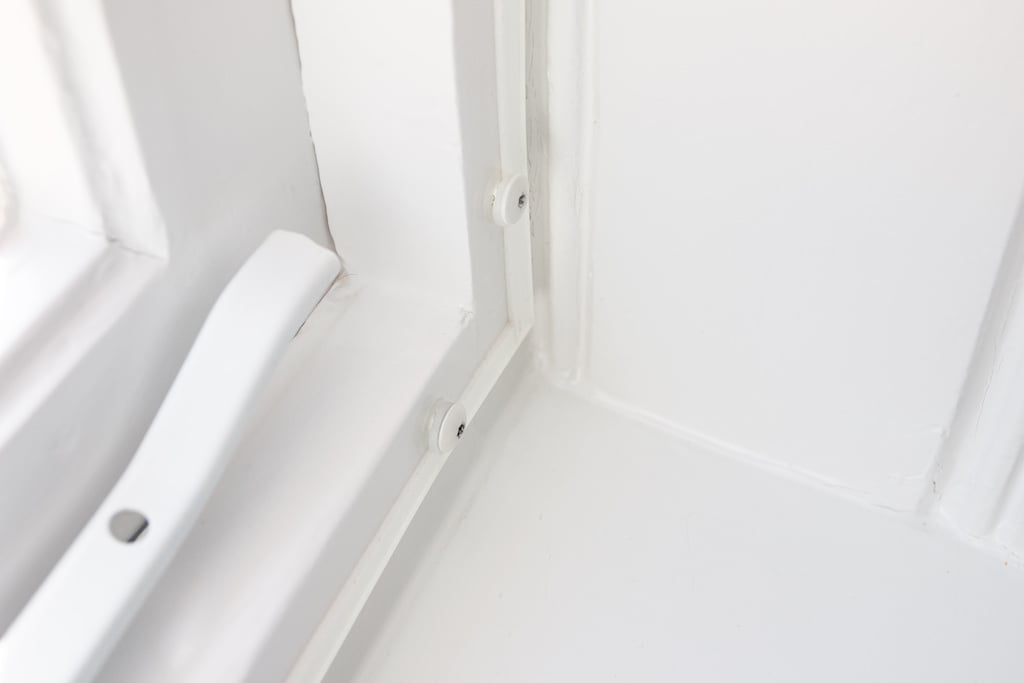
The Result
Expert installation tips
Having supported thousands of secondary glazing installations, these are the issues we see most often.
- Leave the protective film on for as long as possible: Only remove it immediately before final cleaning to reduce the risk of scratches.
- Don't overtighten screws: Acrylic naturally expands and contracts slightly with temperature changes. Overtightening fixings can place unnecessary stress on the sheet.
- Install in moderate temperatures: Room temperature installations are generally easier because both the frame and acrylic remain dimensionally stable.
- Clean with the correct products: Never use glass cleaners containing ammonia as they may damage acrylic over time.
- Double-check frame squareness: Even small differences in older timber frames can affect fit.
Troubleshooting DIY Secondary Glazing
Even with careful preparation, you may encounter a few minor issues during installation. Here are some of the most common questions we receive and how to resolve them.
My secondary glazing doesn't fit
First, check that the sheet is positioned the correct way around and that it aligns with your marked installation lines. If the sheet is still too large or too small, double-check your original measurements against our measuring guide. Avoid forcing the sheet into position, as this could damage the acrylic or prevent an effective seal.My glazing clips won't rotate
If the glazing clips feel stiff, the fixing screws have usually been tightened too much. Loosen each screw slightly until the clip rotates freely while still holding the secondary glazing securely in place.I'm getting condensation behind the secondary glazing
Condensation usually indicates that moisture is trapped between the original window and the secondary glazing. If your existing window frame is prone to condensation, leave two small 2 cm gaps in the insulation tape at the bottom corners, as described in the installation guide, to allow gentle ventilation.My acrylic sheet has become scratched
Minor surface marks can often be reduced using specialist acrylic cleaning products and a soft microfibre cloth. Avoid abrasive cloths, scouring pads or glass cleaners containing ammonia, as these can permanently damage the surface.The insulation tape isn't sticking properly
For the best bond, make sure both the acrylic sheet and the window frame are clean, dry and free from dust before applying the tape. Once applied, press the tape firmly into place along the full perimeter to create a consistent seal.The secondary glazing bows slightly
A small amount of movement can be normal on larger sheets. Check that the glazing clips or screws are evenly spaced and not overtightened. Ensuring the correct number of fixings is used will help the sheet sit securely against the frame.How do you order a secondary glazing kit?
First of all, measure your frame using our measuring instructions. Have you opted for the installation method with glazing clips? Then first place a standard sheet of secondary glazing with your desired dimensions in the shopping basket. If you have opted for the installation method with screws, choose a sheet of secondary glazing with pre-drilled holes in your desired dimensions. Next, add the insulation tape and the required quantity of glazing clips or screws to your shopping basket. Check below how many glazing clips or screws you need per side. You will find a list of all products at the bottom of this page.
| Side in cm | Glazing clips or screws per side |
|---|---|
| 20 - 49 cm | 2 |
| 50 - 89 cm | 3 |
| 90 - 129 cm | 4 |
| 130 - 169 cm | 5 |
| 170 - 200 cm | 6 |
Secondary glazing for installation (without mounting clips/Velcro tape)
Secondary glazing for installation (without mounting clips/Velcro tape)
£13.34Incl. VAT
Glazing clips
Glazing clips
£4.74Incl. VAT
Screw white with nylon washer
Screw white with nylon washer
£14.34Incl. VAT
Insulation tape (25 metres)
Insulation tape (25 metres)
£5.94Incl. VAT
Frequently Asked Questions
Arjen de VosArjen de Vos, a product expert and seasoned DIY specialist, brings a wealth of experience in interior construction to his role at Plasticsheetsshop. With over a decade of expertise in interior design and furniture making, he stands out as a versatile and knowledgeable professional in his field.
Share this article
Updated:
Published: