The difference between acrylic and plexiglass/PERSPEX®

Acrylic and plexiglass are not two different types of plastic; they are the same. Both refer to polymethyl methacrylate (PMMA), a clear thermoplastic commonly used as a lightweight and shatter-resistant alternative to glass.
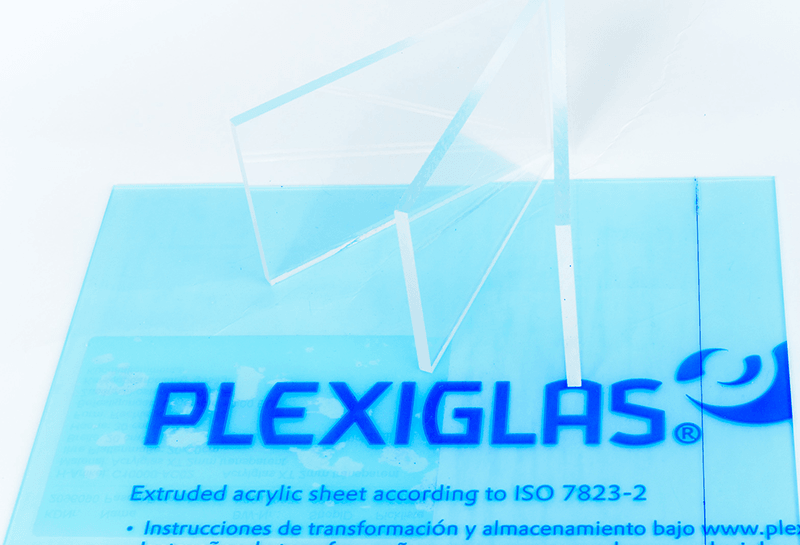
The main difference is in the terminology. Acrylic is the general name for the material, while PLEXIGLAS® is a registered brand of acrylic. Over time, “plexiglass” has also become a commonly used name for acrylic sheet in general. Other well-known acrylic brand names include PERSPEX®.

Are acrylic and plexiglass the same?
Yes, when the word “plexiglass” is being used as a general term, it normally refers to the same PMMA material as acrylic sheet.
The important distinction is between the material and the brand name:
- Acrylic – the common name for the plastic material
- PMMA – the abbreviated chemical name for polymethyl methacrylate
- PLEXIGLAS® – a registered brand of PMMA acrylic
- Plexiglass – a commonly used generic term for acrylic sheet
- PERSPEX® – another well-known brand of acrylic sheet
So if you are deciding between an acrylic sheet and a sheet described as plexiglass, you are generally looking at the same type of plastic. The more important differences are usually the type, grade, thickness and finish of the acrylic.
What do acrylic and plexiglass have in common?
Because they are both PMMA, acrylic and plexiglass share the same core characteristics. They are:
- Clear with excellent light transmission
- Lightweight compared with glass
- More resistant to shattering than standard glass
- Suitable for indoor and outdoor applications when the correct grade is used
- Easy to cut, drill and shape with the right tools
- Available in a wide range of colours, thicknesses and finishes
These properties make acrylic a popular alternative to glass for applications including secondary glazing, shed windows, displays, signs, furniture and other DIY projects.
Is Plexiglas a brand name?
Yes. PLEXIGLAS® is a registered brand name for PMMA acrylic. The name was introduced in the 1930s and became so widely recognised that “plexiglass” is now often used as a general term for clear acrylic sheet.
This is similar to PERSPEX®, another well-known acrylic brand. While these names are often used interchangeably in everyday language, acrylic or PMMA is the generic name for the material itself.
| Cast acrylic | Extruded acrylic | |
|---|---|---|
| Manufacturing | Acrylic is cast into individual sheets | Acrylic is continously extruded into sheets |
| Processing | Better suited to drilling, sawing and more extensive machining | Requires more care when machining, because of greater internal stresses |
| Thickness | Can have slightly more variation in thickness | Usually has a more consistent thickness |
| Forming | Suitable for thermoforming | Particularly suitable for thermoforming |
| Cost | Generally more expensive | Generally more economical |
| Best suited to | Fabrication and projects requiring more machining | Straightforward applications where cost and consistent thickness are priorities |
Is plexiglass more expensive than acrylic?
Not necessarily. Because plexiglass is commonly used as another name for acrylic, there is no standard price difference between “acrylic” and “plexiglass”.
The price of an acrylic sheet depends more on factors such as:
- Whether it is cast or extruded
- Sheet thickness
- Sheet size
- Colour and finish
- Any additional properties or coatings
In general, extruded acrylic is the more budget-friendly option, while cast acrylic usually costs more because of its manufacturing process and suitability for more extensive machining.
Should I buy acrylic or plexiglass?
You do not normally need to choose between acrylic and plexiglass because they refer to the same PMMA material family.
Instead, consider how you intend to use the sheet. Cast acrylic is usually the better option for projects involving more extensive cutting, drilling or machining, while extruded acrylic can be a good choice for straightforward projects where keeping costs down is important.
You should also consider the required thickness, colour, finish and whether the sheet will be used indoors or outdoors.