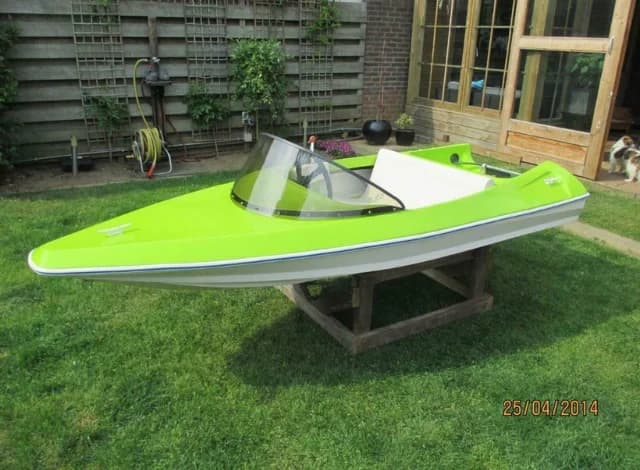
Boat windshield
A windshield for your boat is not only a great way to add comfort, but it also shields you from the elements. No more water splashing in your face, less wind, and a cleaner boat overall. It’s not just useful while you’re heading out on the water – long term, it also helps protect delicate parts of your boat from wear and tear – caused by water and dirt. Curious about what a boat windshield actually is, which materials are suitable, and how to fit one yourself? Keep reading.
What is a boat windshield?
A boat windshield is exactly what the name implies: a shield (screen) designed to block wind, splashes, and dirt. Usually, this screen is installed near the helm or around the cockpit. Straight away, you’ll feel the difference: no chilly winds blasting your face and a cosy, dry spot for you and your passengers. But there’s more to it than just comfort. A boat windshield also reduces wind pressure on the steering, making boating safer and easier. Interestingly, most windshields these days are made from plastic like acrylic or polycarbonate – materials that are strong, lightweight, and easy to customise. Perfect for every type of boat.
What materials are suitable?
Acrylic and polycarbonate stand out as top choices when it comes to materials for a boat windshield. Both are types of plastic, but each comes with its own unique benefits. Not sure which one to go for? Let’s make the decision simpler for you.
- Significantly lighter than glass
- Keeps its clarity thanks to its UV-resistant properties
- Easy to cut and customise to size
- Crystal clear, giving you that real glass-like look
- Less resistant to heavy impacts
- Prone to scratches

- Incredibly tough and impact resistant
- Can withstand UV exposure and high temperatures
- Perfect for extreme or challenging conditions
- Pricier compared to acrylic
- Also prone to scratches
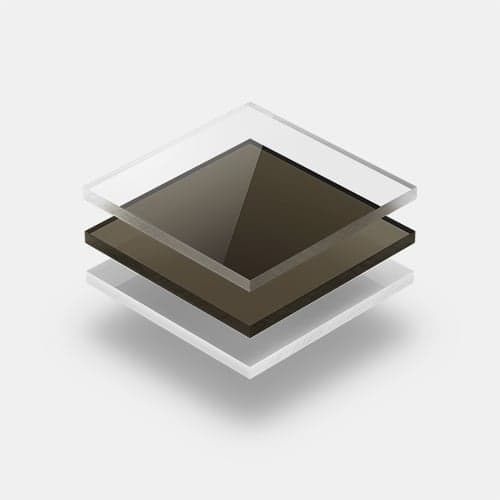
Why plastic windshields are better
Plastic windshields come with all the perks glass ones don’t: they’re lightweight, long lasting, and almost unbreakable. These features make them ideal for using on the water. Glass, on the other hand, is heavy, fragile, and not so easy to customise. Plastic gives you the flexibility to have a windshield designed exactly to your boat’s shape and size. A fully customised solution, just how you want it.
Acrylic sheets provide a polished, clear finish that adds a touch of luxury to your boat. However, if you frequently sail in rough waters or deal with extreme conditions, polycarbonate sheets are the better option – it’s virtually indestructible.
Plus, plastic windshields are far more resistant to sun and weather damage. Acrylic remains transparent even after years in the sun, while polycarbonate withstands heavy rain or abrasive impacts with ease. Whichever material you choose, you’ll end up with a windshield that lasts for years.
Other benefits of plastic boat windshields
In addition to functionality, plastic windshields offer several practical advantages, making them a fantastic choice for water use:
- Lightweight: Materials like acrylic and polycarbonate are much lighter than glass. That means you don’t have to worry about adding unnecessary weight to your boat, and they’re much easier to install.
- Impact resistant: Especially true for polycarbonate, which can handle any bumps or unexpected hail without breaking. This is perfect if you often navigate rough waters.
- UV-resistant: With excellent UV protection, both acrylic and polycarbonate stay clear for years. Discolouration or ageing caused by the sun? Hardly an issue with these materials.
- Easy to keep clean: Forget complicated cleaning solutions – an antistatic cloth and mild cleaner are all you need to keep your windshield in top condition.
| Glass | Acrylic | Polycarbonate | |
| Advantages | very poor | good | very good |
| Ease of Installation | poor | very good | very good |
| Durability | very poor | good | very good |
Our advice
The choice of material depends largely on how and where you use your boat. For calmer waters and a cost effective, clear screen, acrylic gets the job done. However, for enhanced durability and performance in tougher conditions, polycarbonate is hands down the best choice. It’s virtually unbreakable and can last through even the harshest environments.


Installation
Properly installing your windshield is essential – not just for its long term durability, but also to ensure it’s stable enough for every situation. The good news? Plastic is easy to process, so with the right tools, you’ll have it all set up in no time. Here are some handy tips:
- Install on sturdy areas: Choose strong sections like the cockpit edge or steering area to mount the windshield. These points provide solid support.
- Prevent scratches: Keep the protective film on the windshield during installation to avoid any unnecessary damage.
- Use stainless steel materials: Opt for stainless steel screws and spacers to prevent corrosion and ensure durability.
- Check stability: After installation, give the windshield a thorough check to make sure everything’s secure, especially if you frequently travel at high speeds. This avoids rattling or parts coming loose.
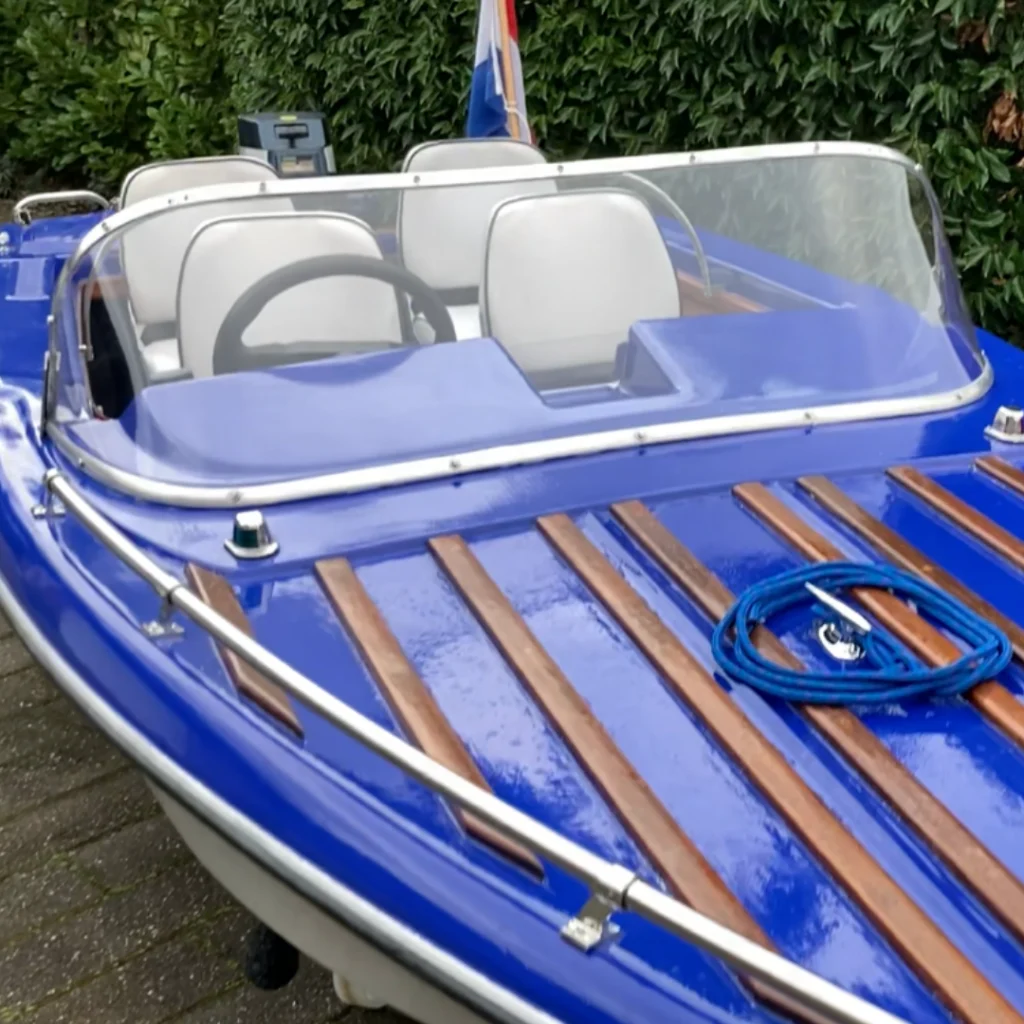
Examples of plastic boat windshields
Many of our customers have successfully installed windshields on their boats using our products. Here are some inspiring examples:
How to order a boat windshield
Ordering plastic sheets for your boat windshield is quick and simple with us. Here’s how you can do it:
Choose your material:
Determine the dimensions:
Add extra customisations:
Place your order:
Frequently Asked Questions
DIY Awards
Proud of the windshield you’ve made yourself or need a little extra inspiration? Check out our DIY Awards! Here, we share stories from customers who’ve used our materials to create their own projects, complete with before and after photos. These examples show what’s possible and might spark some new ideas for your own project.

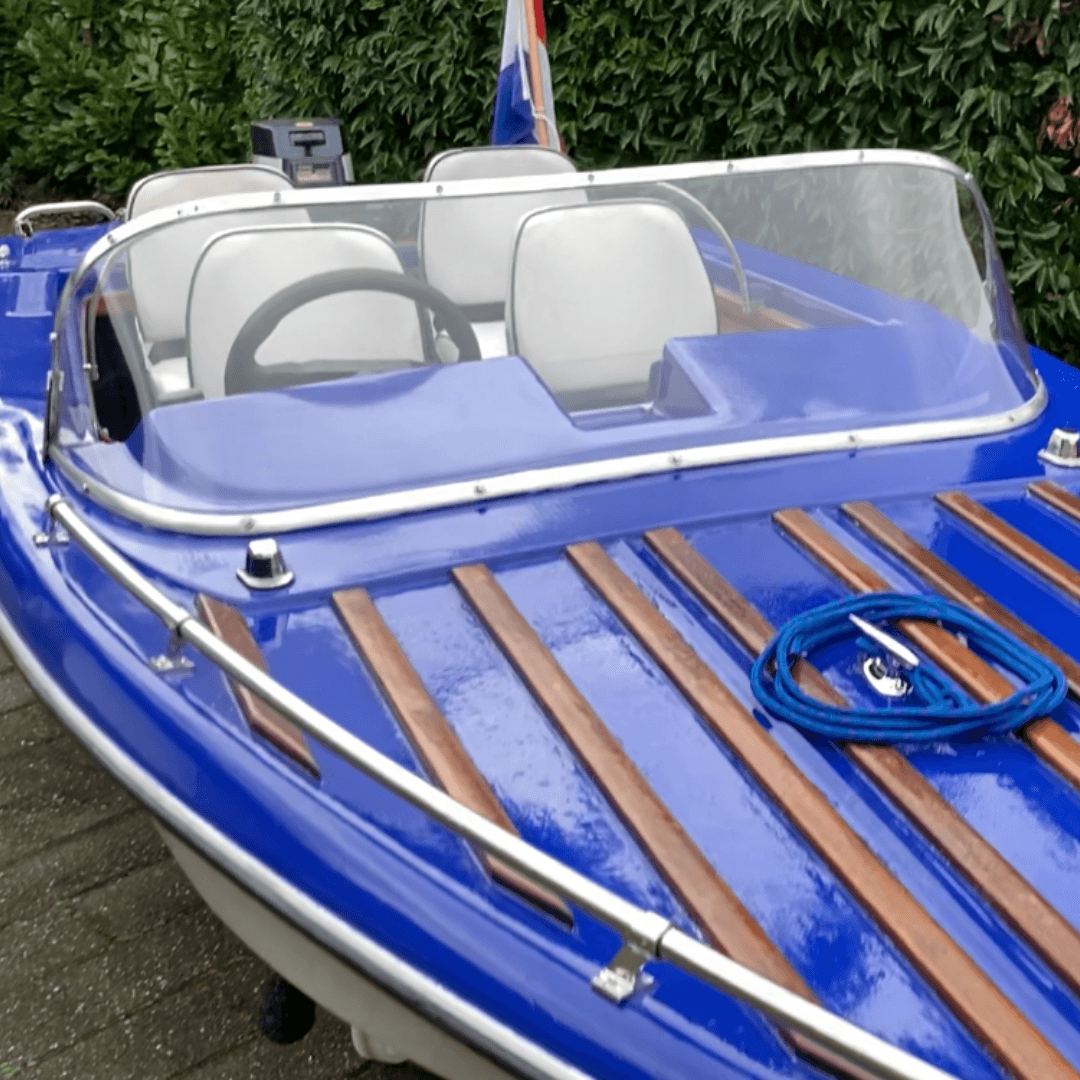
Curved acrylic boat window replacement for old windows
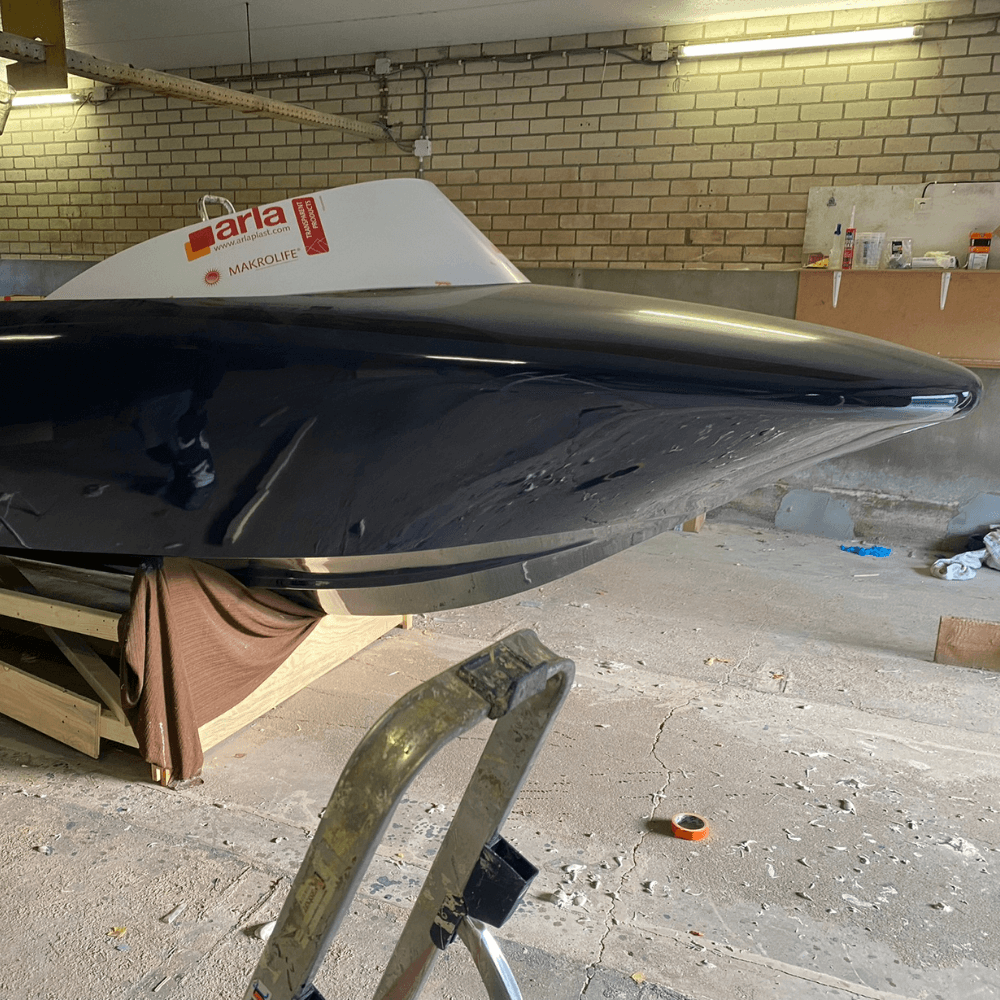
Boat with polycarbonate window
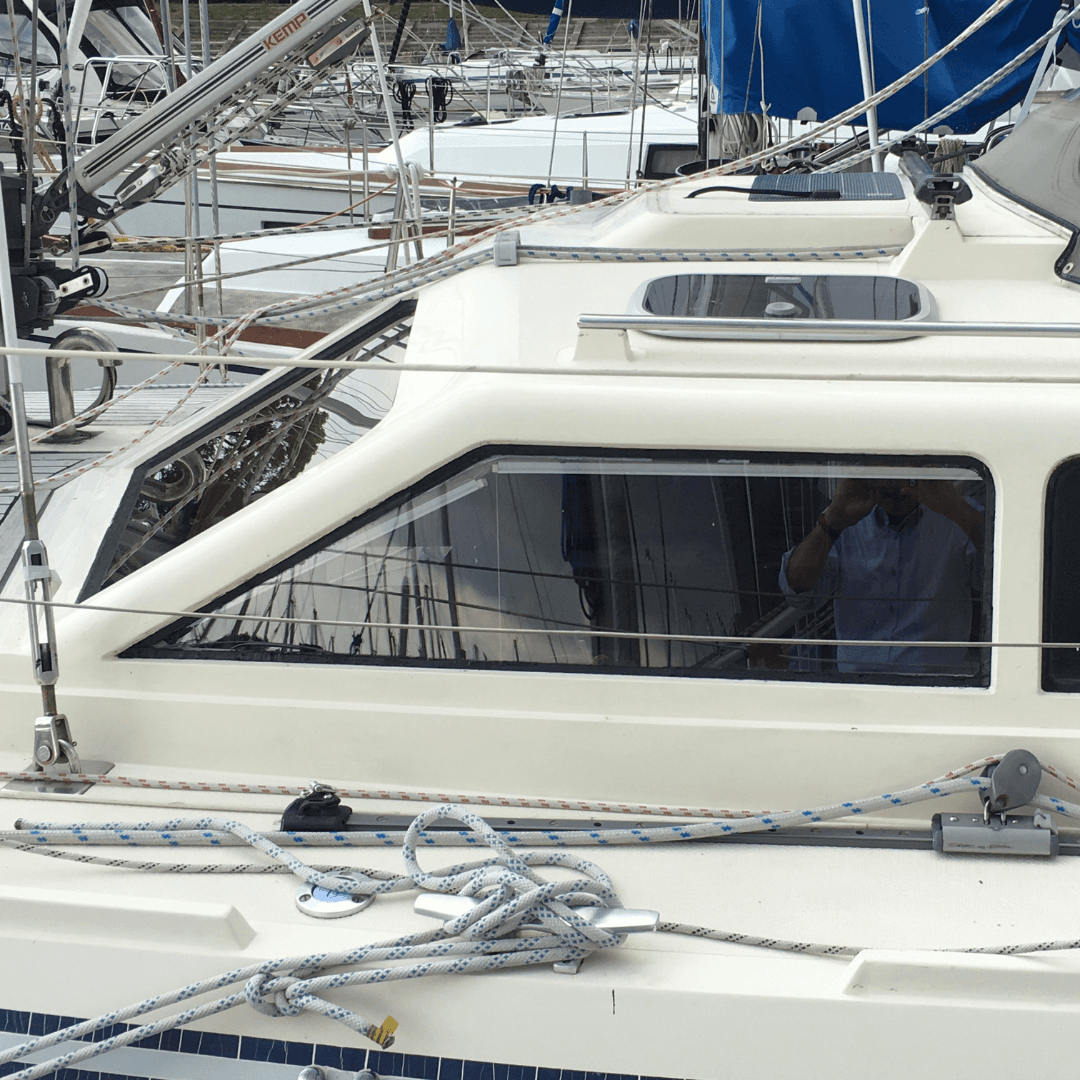
Clear Polycarbonate Windows for Southerly 115 Yacht
Curved acrylic boat window replacement for old windows
Boat with polycarbonate window