
Acrylic Balcony Glazing
Transform your balcony into a delightful outdoor space with acrylic. Enjoy the beauty of the outdoors comfortably in any season. Choose the right acrylic for an impeccable result, and we’ll guide you on how to assemble it robustly and sustainably.

What is balcony glazing?
Balcony glazing shelters your balcony from the elements. Acrylic is a favourite material for this, thanks to its UV-resistant properties and impact resistance. It offers protection without obstructing your view—ideal for homes and flats.
Which types of acrylic is suitable?
When it comes to balcony glazing, choosing the right material is crucial. Consider strength, durability, and weather resistance. We’ve compiled some popular options for you:
Clear Acrylic
- Advantages: Easy to process and maintains clear views.
- Disadvantages: Can scratch easily.
Frosted Acrylic
- Advantages: Provides privacy and diffuses light.
- Disadvantages: Less transparent.
Tinted Acrylic
- Advantages: Sun-blocking and stylish.
- Disadvantages: Less light transmission.
The benefits of acrylic balcony glazing
Why opt for acrylic? It’s lightweight, stronger than regular glass, and offers enduring UV-resistance. Additionally, you can easily shape it into various forms and sizes. Whether you prefer transparent, tinted, or frosted, we have options to suit your needs. Plus, acrylic is weather-resistant, offers balcony privacy screen protection, and provides insulation all year round.
Installation
Installing acrylic balcony glazing requires careful craftsmanship. Here are some tips:
- Use U or H-shaped profiles dependent on where you’re installing.
- Ensure screws are countersunk well to prevent the material from cracking.
- Reduce noise with felt or foam tape.
- Provide ample support when installing on the balcony edge.
- Profiles must be perfectly vertical to avoid stress and cracks.
Prefer vertical profiles over sealant lines: An H-shaped profile is used as a vertical connector for acrylic sheets longer than 80 centimetres. These profiles are better for sealant lines because they resist movement rather than adapting to it.
Installing on the balcony edge: While installing on the edge, it’s essential to support the acrylic sheet fully. At least three profiles should be applied to the balcony sidewalls: below, above, and against the facade. First, install the profiles, then slide the sheet between them. A glassworker’s suction tool is very useful here. You can then install the next sheet, always using a spacer profile to limit movement between the sheets.
Installing against a balcony railing: Begin with the bottom supporting profile when installing against a railing. Ensure it’s level and perpendicular. If the profile tilts slightly forward or back, it can cause tension on the sheet, leading to hairline cracks over time. The sheet should stand upright. Next, place the acrylic sheet with the top profile above it. Afterwards, mark the drilling holes and drill them. The most solid installation method is to secure the profiles to the railing with bolts, which you’ll need to tap the threads into the railing. With aluminium balcony railings, you can use self-tapping screws if preferred.
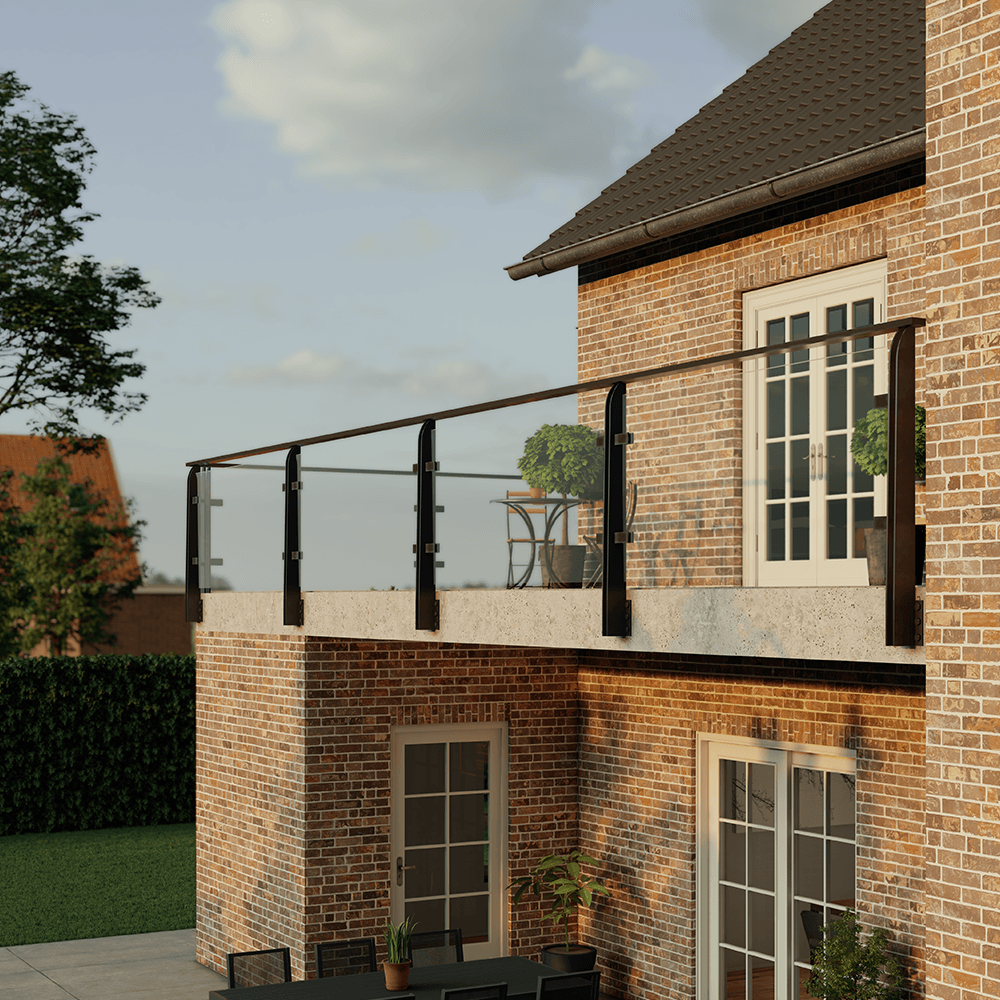
Examples of acrylic balcony glazing
Get inspired by our collection of balcony glazing examples that have been made with our acrylic.
How to order your balcony glazing
Ordering acrylic for your balcony is simple:
Product selection:
Add your customisations:
Place your order:
DIY-Awards
Get inspired by our customers who participated in the DIY-awards with their projects. We highlight their achievements.

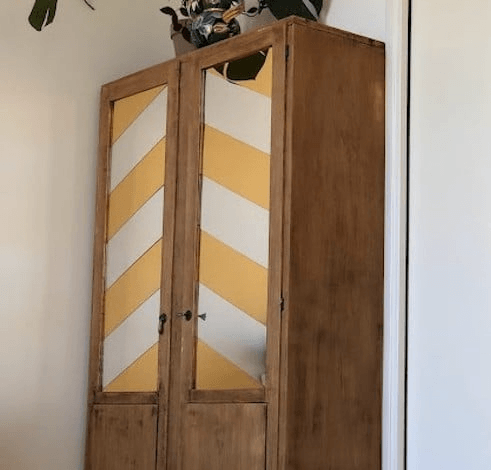
Mirrored plexiglass on wardrobe doors
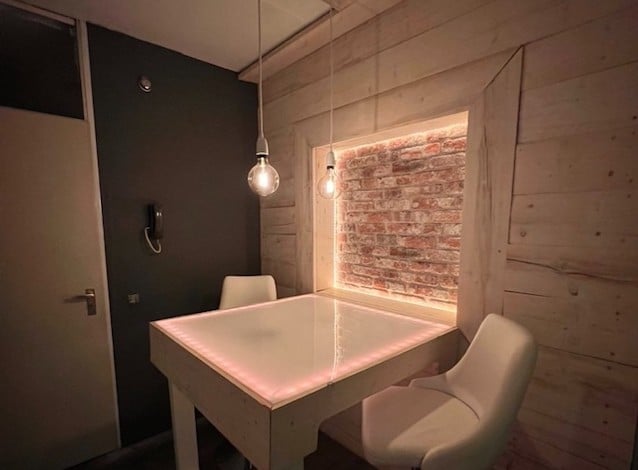
Acrylic table top with LED strips
Mirrored plexiglass on wardrobe doors