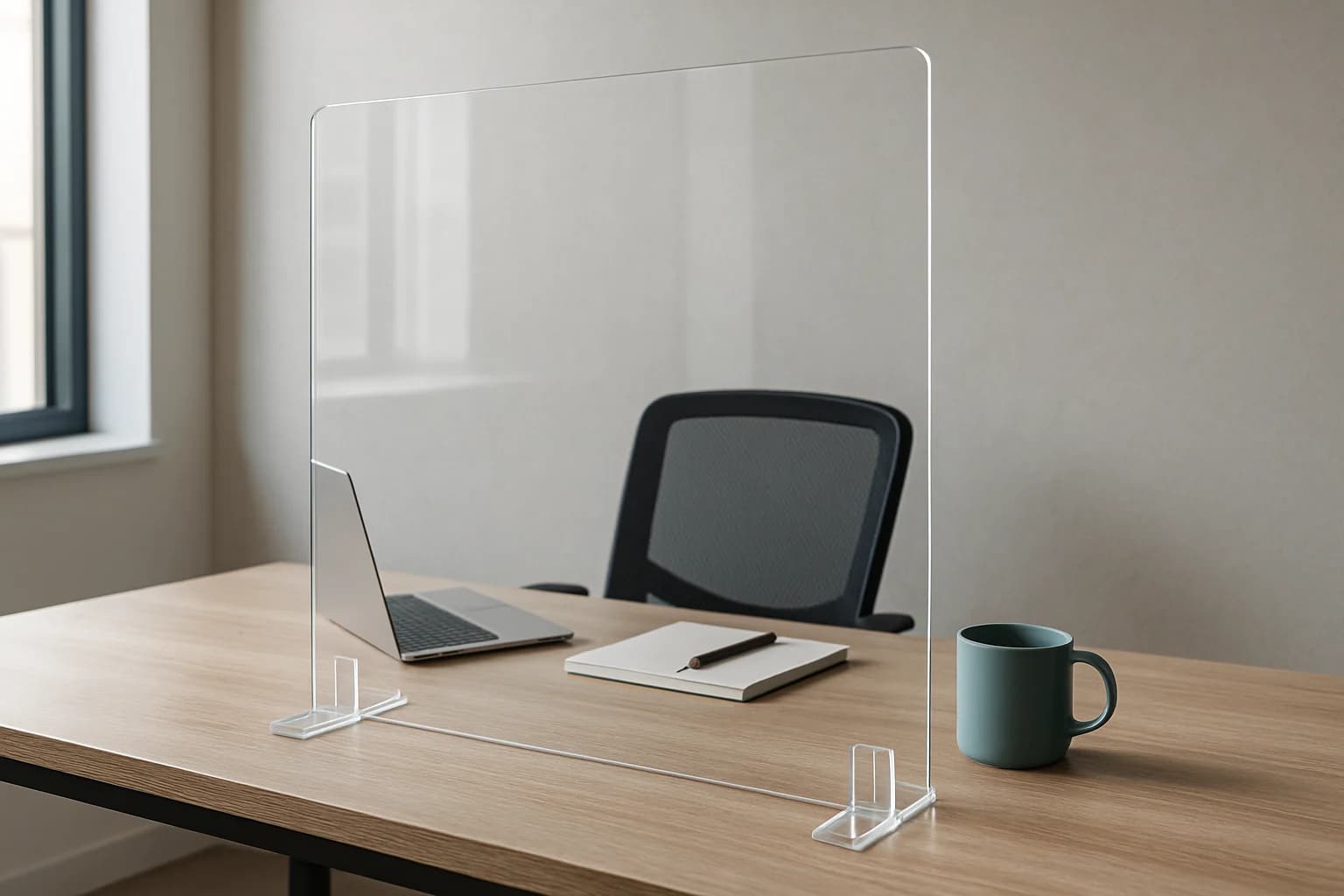
Plastic partition wall
A plastic partition wall is a clever solution if you’re looking to organise a space more efficiently, create extra privacy, or improve acoustics. They’re perfect for offices, schools, healthcare facilities, hospitality establishments, or any other settings where flexibility and easy maintenance are crucial. Plastic is lightweight, easy to work with, and comes in endless variations – from transparent to opaque designs.
Which material should you go for?
There are different types of plastic you can use to create a partition wall. Each material has unique characteristics that are either a better or worse fit, depending on your specific needs. Here’s a handy guide to the most commonly chosen materials, along with their pros and cons.
- Lightweight and easy to reposition.
- Fully transparent for an open look and feel.
- Offers excellent protection against UV rays.
- Less durable when it comes to strong impacts.
- Can be prone to scratches.

- Exceptionally strong and nearly unbreakable.
- Heat-resistant, even in temperatures ranging from -40 to 120°C.
- Transparent, albeit slightly less clear than acrylic.
- Higher price point.
- More flexible as a sheet material.

- Lightweight material with long durability.
- Moisture resistant, making it ideal for damp environments.
- Smooth, professional looking finish.
- Not transparent.
- Not as resistant to heavy impacts.
Why is a plastic partition wall a smart choice?
Opting for a plastic partition wall comes with a host of advantages over traditional materials like wood or metal. Plastic is highly versatile, sustainable, and requires minimal upkeep, making it an excellent choice for a wide variety of uses.
Why choose plastic?
Plastic is lightweight, making it easy to install, even in larger or taller spaces. It is water-resistant and low-maintenance, making it the perfect fit for areas like bathrooms, hospitals, or schools that require high hygiene standards. Cleaning is a breeze, adding to its appeal for damp or demanding environments. But there’s more – thanks to innovative technologies, you can customise plastic entirely to your requirements. Whether it’s a closed partition, a fully see-through one, or something in between, your options are virtually endless. As for pricing, plastic is often more budget friendly than wood or metal, while offering greater longevity and less need for maintenance.
| Acrylic | Polycarbonate | ACP | |
| Costs | good | poor | poor |
| Workability | very good | good | good |
| Impact resistance | good | very good | good |
| Best for hygienic spaces | very good | very good | good |
Our recommendations
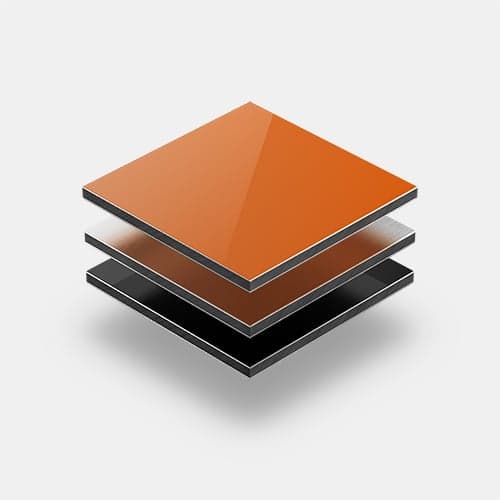
If a transparent wall is your priority, go for acrylic; it creates a bright, open atmosphere. For spaces where impact resistance is crucial, such as in a busy workplace, polycarbonate is your best bet. For a closed, opaque design, ACP is an excellent choice as it’s moisture resistant, highly durable, and offers a sleek aesthetic.
How to order a plastic partition wall?
Choose your material:
Decide on the dimensions:
Add customisations:
Place your order:
Examples of plastic partition walls
Plastic partition walls can be used virtually anywhere and offer practical solutions for various situations. Think of transparent acrylic partitions in modern offices, which not only provide privacy but also let natural light flow through to maintain an airy and open atmosphere. In the hospitality sector, moisture-resistant plastic partitions are widely used as hygienic splashbacks in kitchen spaces. For areas where privacy is paramount, like consultation rooms or hospital settings, solid ACP walls make an ideal choice. Whatever the scenario, there’s always a plastic solution to suit your needs.
Frequently Asked Questions
DIY-Awards
Curious to see how other customers have approached similar projects? Have a look at our DIY Awards! Here, you’ll find inspiring projects, creative ideas, and practical tips shared by others who have worked with our plastic sheets.

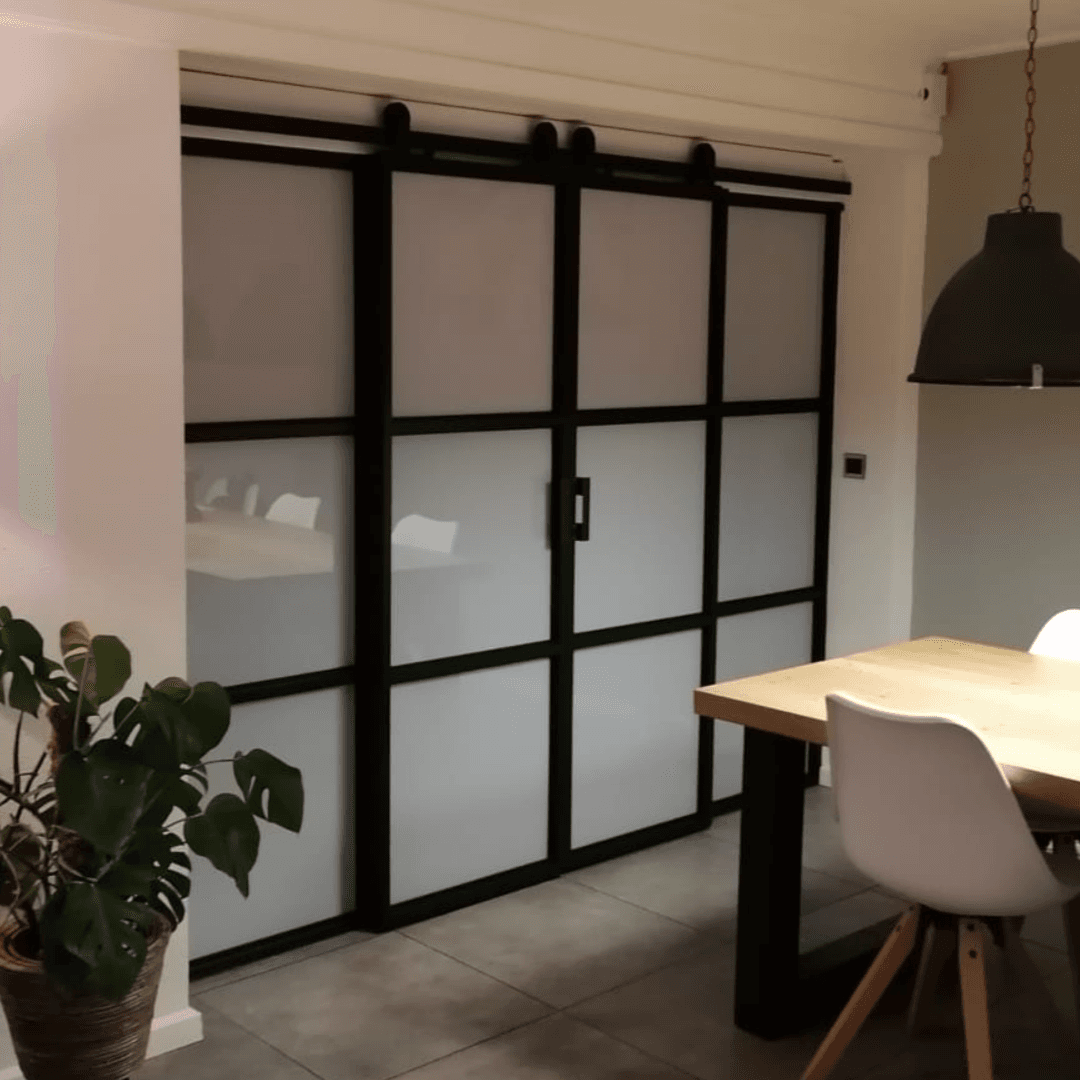
Industrial sliding door room divider with polycarbonate
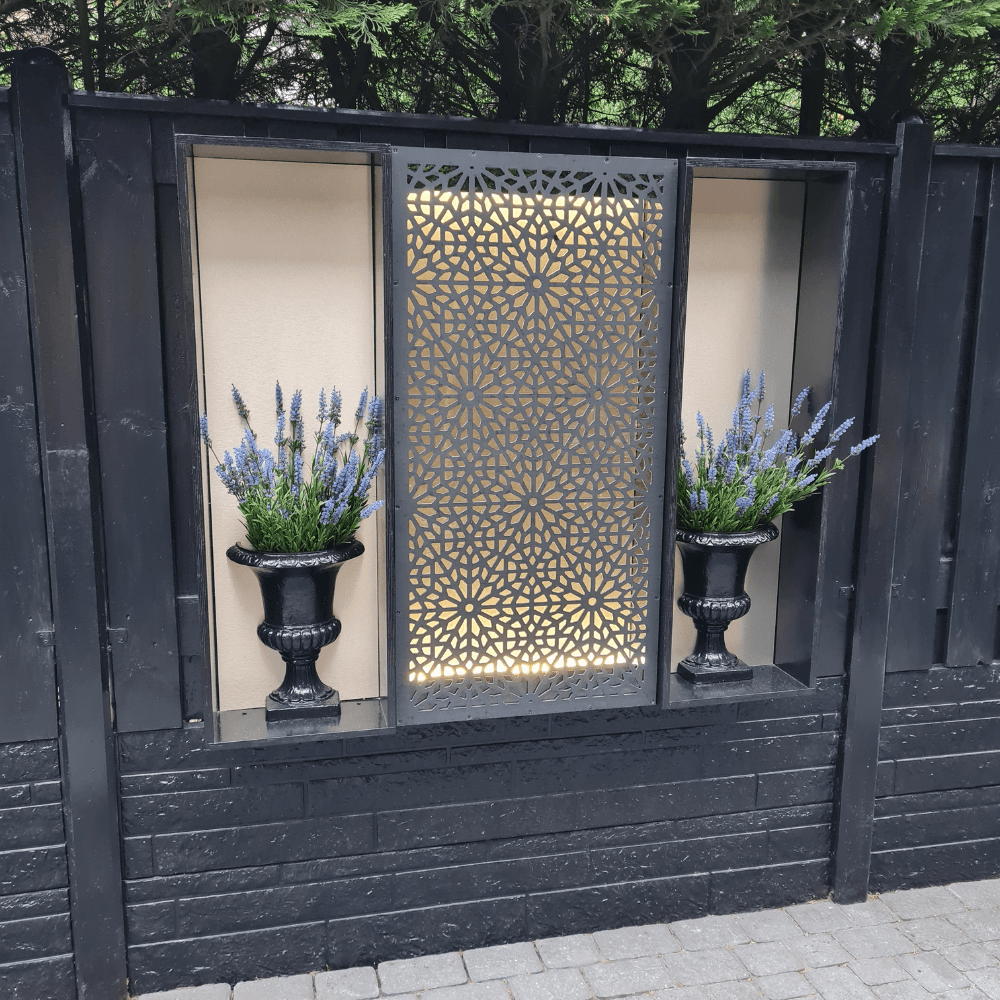
Decorative garden wall with acrylic and LED lighting
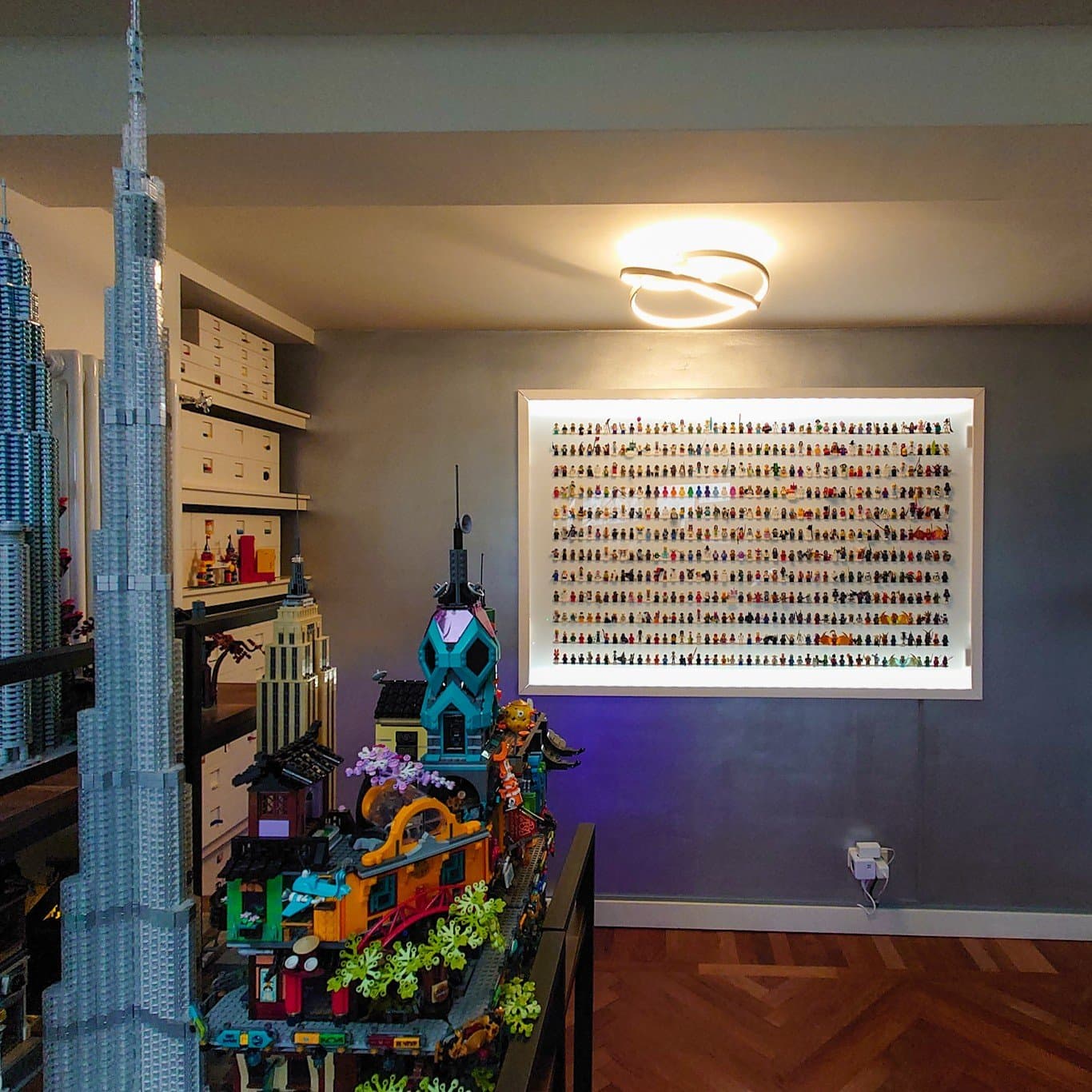
Minifigure wall of opal white acrylic for LEGO collection
Industrial sliding door room divider with polycarbonate
Decorative garden wall with acrylic and LED lighting