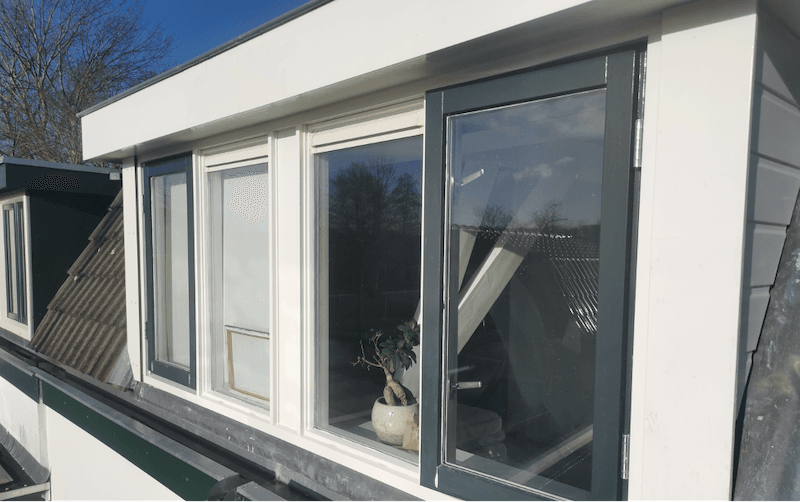
Replace fascia boards with plastic sheets
- Glue for the plastic sheets
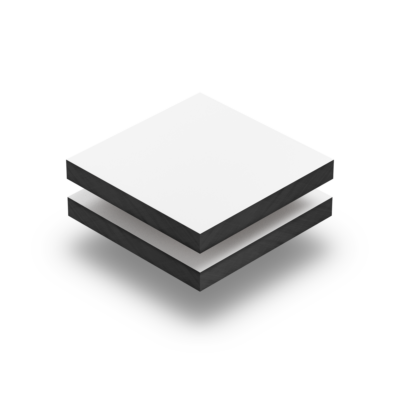
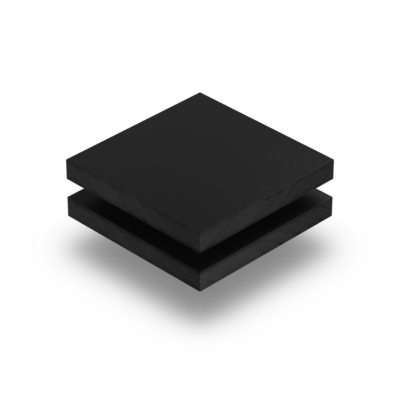
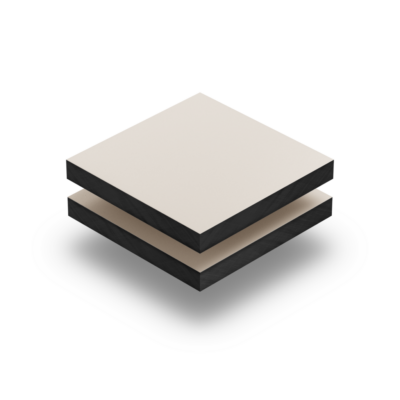
- Trespa sheets
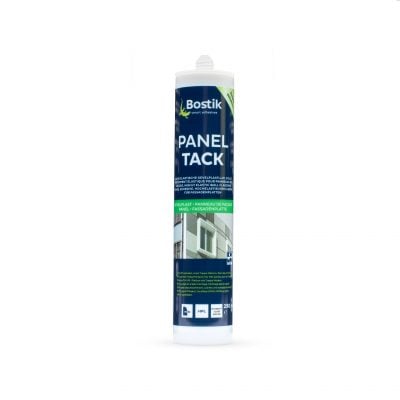
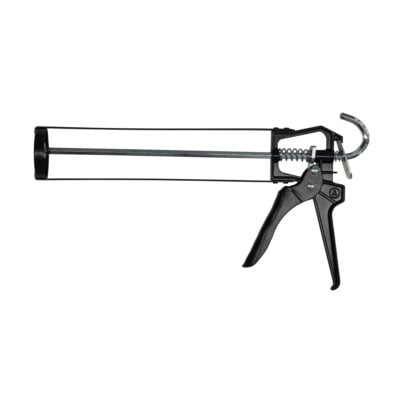
- Bostik Paneltack adhesive
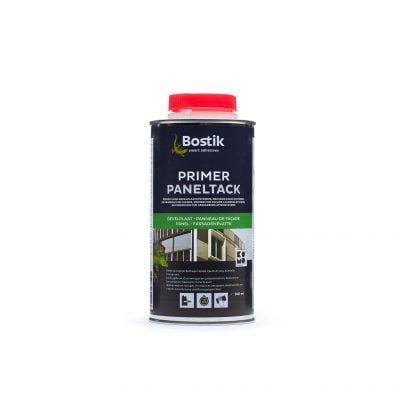
- Bostik primer Paneltack (500 ml)
- Bostik primer SX Black (1000 ml)
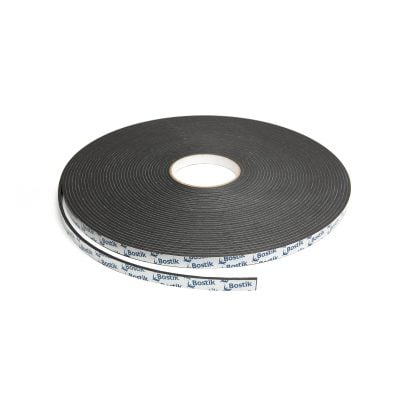
- Double sided foam tape
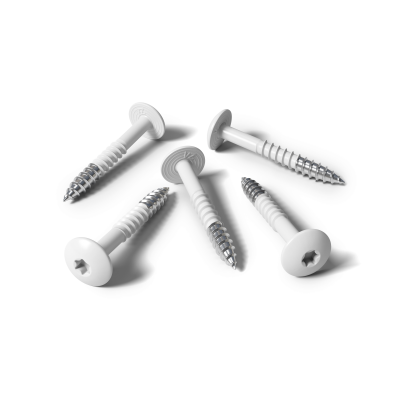
- Screws for the fascias
- Trespa® screws
- HPL drill
- Drill with variable speed
- Base plate in which the drill can run out
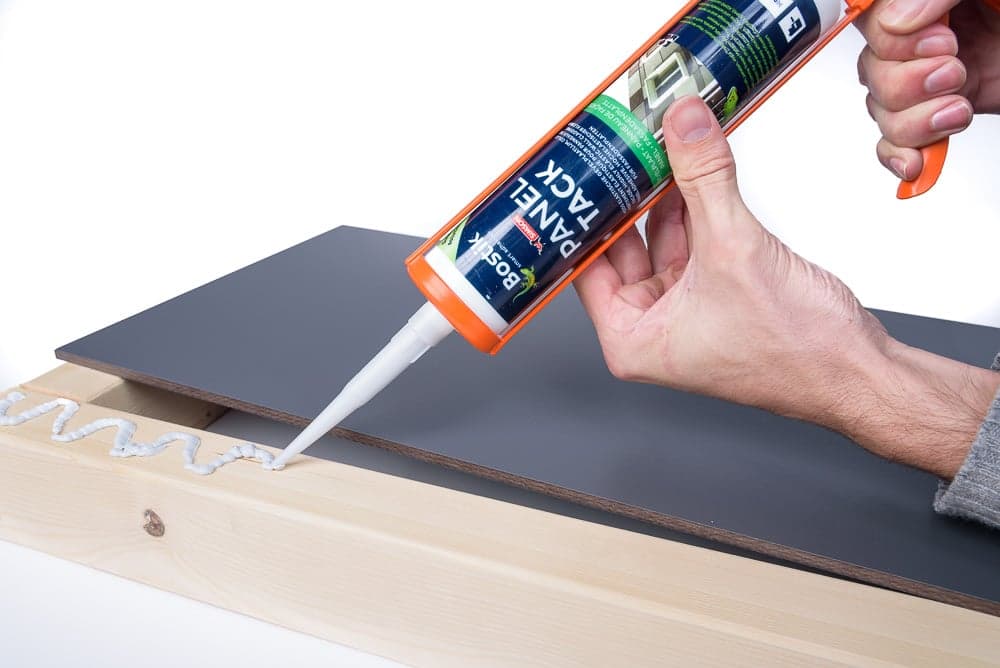
Glueing the fascias
When you are going to bond the fascias, you need to prepare both the wood on which you are going to glue the plastic sheets and the plastic sheets themselves with a primer, so that the glue sticks well. For the plastic sheets. we recommend Bostik Paneltack primer and for the wood, Bostik Primer SX Black. Once you have applied the primers, you can glue the Trespa® using Bostik PanelTack mounting glue. It is also important to use double-sided tape. Stick the tape between the plastic sheets and the wood, keeping the plastic sheets in place while the glue is still drying.
Screwing the fascias
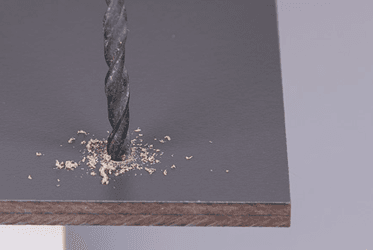
Have you chosen to use screws instead of glue? Do not forget to pre-drill the plastic sheets. The drilling of Trespa® is comparable to the drilling of hardwood: good tools are half the work. Read our blog about Trespa® drills to find out how to do this best. Bear in mind that the screw holes must be drilled at least 20 millimetres from the edge of the plastic sheet, then use special screws for plastic to screw the plates. The screws are available to match all sheet colours and in different screw sizes.
Get straight to work: order the plastic sheet that suits your home best
Trespa® sheets come in many colours and finishes. View our extensive range and order the plate that best suits your home. Do you want more information about our products or can you use some handy tips? Feel free to contact us. We are happy to advise you.