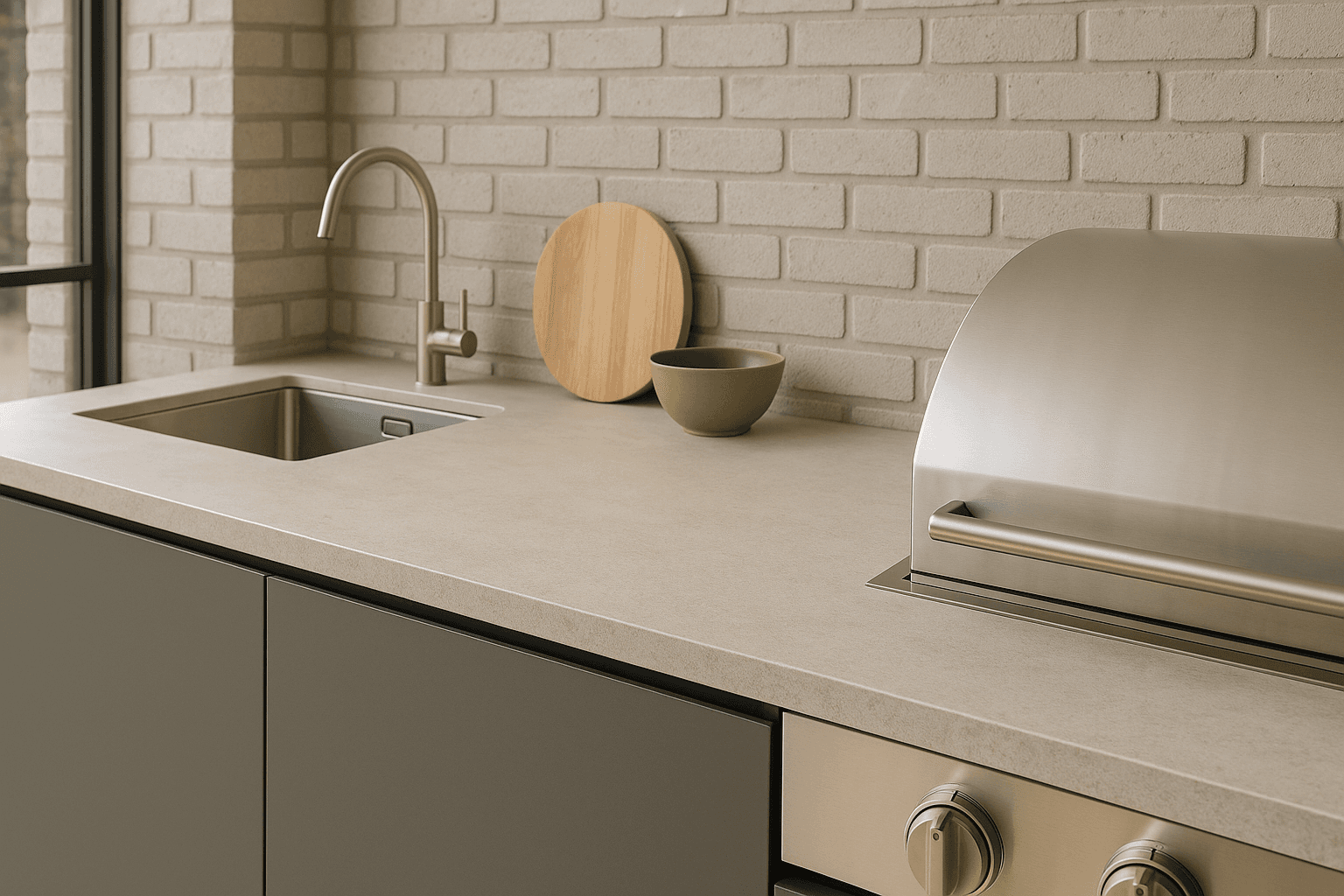
Outdoor kitchen worktop
The worktop in your outdoor kitchen is a crucial element and the centre stage for all your outdoor cooking. It’s where you prepare and organise everything whilst also contributing to the overall style of your outdoor space. A good outdoor kitchen worktop isn’t just practical; it also needs to be tough: resistant to weather, scratches, and moisture, while being easy to clean. In this article, we guide you through the best materials for your worktop, tips for installation, and how you can order a fully customised worktop effortlessly.
What is an outdoor kitchen worktop?
An outdoor kitchen worktop is a specially designed surface for outdoor use. It serves as a sturdy spot for preparing food, placing your dishes, or even doubling as a bar. The material needs to withstand rain, sunshine, and fluctuating temperatures – because it’s exposed to the elements. High Pressure Laminate (HPL) is an excellent material choice. It’s robust, weatherproof, and requires minimal maintenance. It also adds a sleek and modern look to your outdoor kitchen.
Suitable materials
Your worktop should handle all weather conditions and last for years. That’s why it’s essential to choose a material that’s both durable and easy to maintain. Below, we’ve listed the best options for you:
HPL / Trespa®
Advantages:
- Handles all types of weather.
- Scratch and impact resistant.
- Resistant to UV light and cleaning agents.
- Minimal maintenance required.
Drawbacks:
- The edges can react to long-term exposure to moisture.
- Less warm in appearance compared to wood or natural stone.
Stainless Steel (RVS)
Advantages:
- Extremely durable and completely weatherproof.
- Provides a sleek, modern finish.
- Can endure high temperatures.
Drawbacks:
- Prone to scratches, especially with heavy use.
- May feel cool and less inviting compared to wood or stone.
Natural stone (such as granite)
Advantages:
- Exceptionally durable and long-lasting.
- Offers a classic and luxurious appearance.
- Scratch resistant and tolerates high temperatures well.
Drawbacks:
- The weight can make installation more challenging.
- Without proper treatment, it can be susceptible to stains and harsh chemicals.
Benefits of a plastic outdoor kitchen worktop
Plastic materials like HPL or Trespa® are among the most popular choices for outdoor kitchen worktops – and for good reason. They combine durability with ease of use and versatility. These materials are resistant to all weather conditions and require little maintenance, making them incredibly practical. Additionally, you can easily order plastic worktops perfectly customised to suit your outdoor kitchen.
A plastic worktop is also a long-term investment. Unlike wood, which is quickly affected by moisture and needs regular treatment, plastic retains its good looks for years with minimal effort. Where natural stone and stainless steel can be heavier and harder to install, plastic is lightweight, easier to fit, and more budget-friendly. Despite its convenience, plastic doesn’t compromise on quality: it remains sturdy, scratch-resistant, and perfect for daily use.
Advantages of plastic worktops:
- Weather resistant: Whether it’s rain, snow, or full sun, plastic remains in top condition. It’s UV-resistant and handles extreme temperature changes effortlessly.
- Durable: Its scratch and impact resistant properties ensure the worktop stays in prime shape for years.
- Easy to clean: A quick wipe with a cloth, and your worktop is spotless again. Ideal for outdoor cooking!
- Customisable designs: Available in various colours and textures, making it easy to match with your outdoor kitchen’s style.
- Lightweight: Simple to install and transport, without compromising on durability.
- Made-to-measure: Plastic is easy to shape and resize, allowing for fully customised options.
Other materials
While natural stone and stainless steel are often mentioned, plastic stands out as a smart choice due to its perfect balance of durability, practicality, and affordability. Wooden worktops, for instance, may look charming, but they are susceptible to moisture and require much more maintenance. Natural stone delivers a luxurious appeal but tends to be heavier, pricier, and prone to stains if not properly treated. Stainless steel offers a modern aesthetic but is susceptible to scratches. Plastic, on the other hand, ticks nearly every box and effortlessly meets the demands of an outdoor kitchen.
| Plastic | Stainless steel | Natural stone | |
| Moisture resistance | very good | very good | very good |
| Maintenance | very good | very good | poor |
| Cost | good | poor | very poor |
| Weight | very good | good | very poor |
Examples of plastic outdoor kitchen worktops
A plastic worktop offers limitless possibilities and can bring a unique character to your outdoor kitchen. Here are a few inspiring examples:
- Industrial look: Pair a dark grey or black HPL worktop with stainless steel elements to create a modern outdoor kitchen.
- Scandinavian design: A lighter colour, such as white or beige, perfectly complements a minimalistic style and gives your outdoor kitchen a bright and spacious feel.
How to order an outdoor kitchen worktop
Ordering a fully customised worktop from us is straightforward. In just a few steps, you can get everything sorted with ease:
Choose your material:
Enter your dimensions:
Add extra features:
Place your order:
Frequently Asked Questions
DIY Awards
Want to see what other customers have created for their kitchens? Check out our DIY Awards, where customers proudly share their completed projects, including photos and helpful tips. Be inspired by creative ideas and discover all the possibilities with our materials.

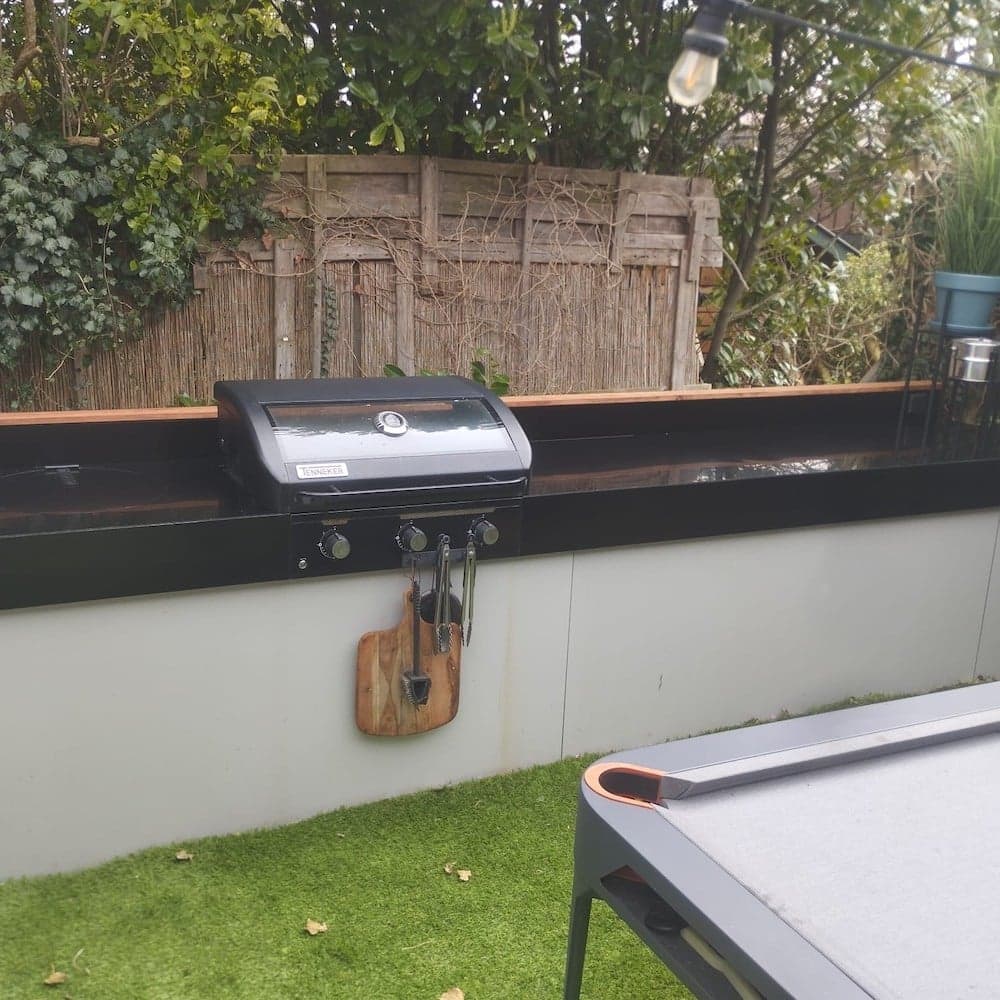
Outdoor Kitchen with Matte Black Alupanel
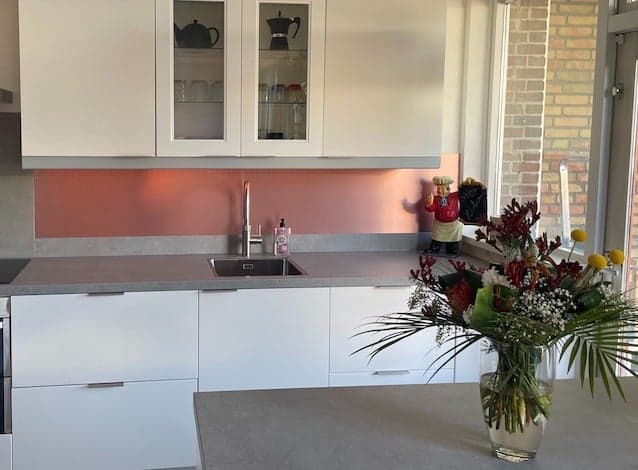
Kitchen backsplash with Brushed copper composite panel
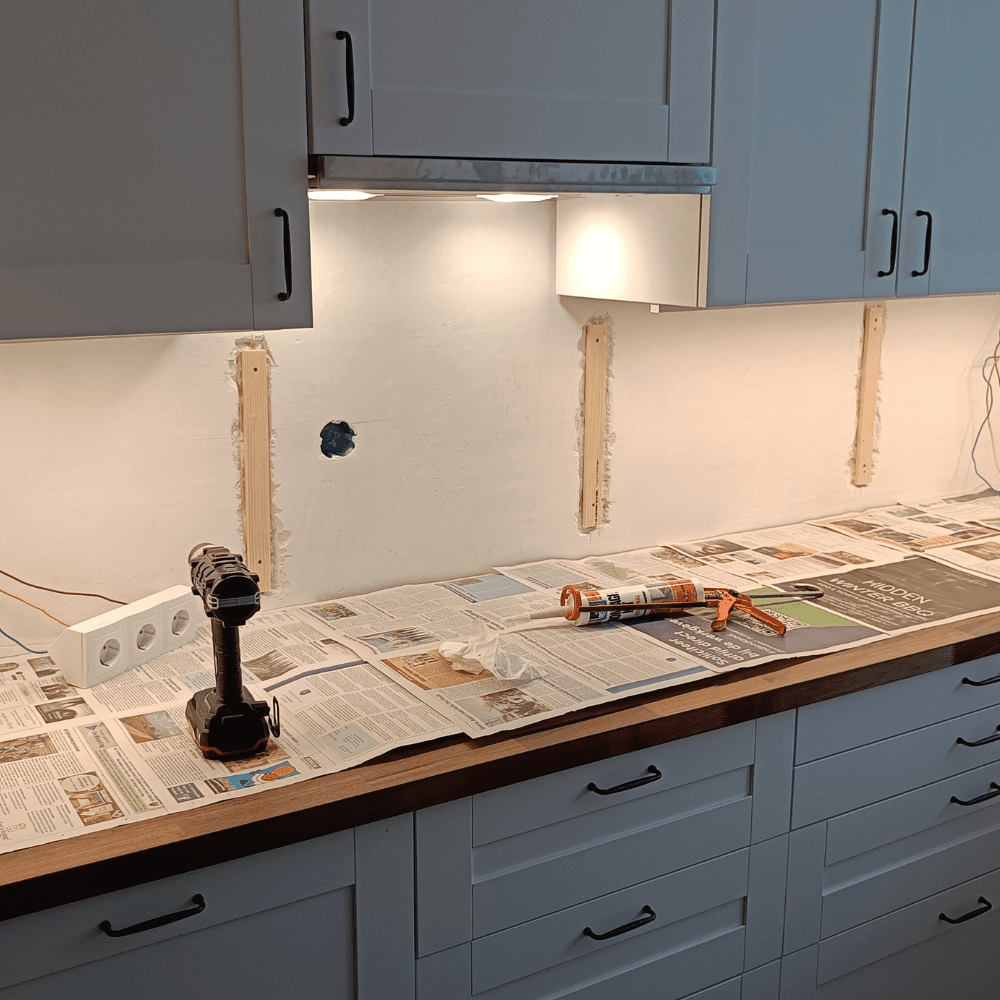
Sleek White HPL Kitchen Backsplash
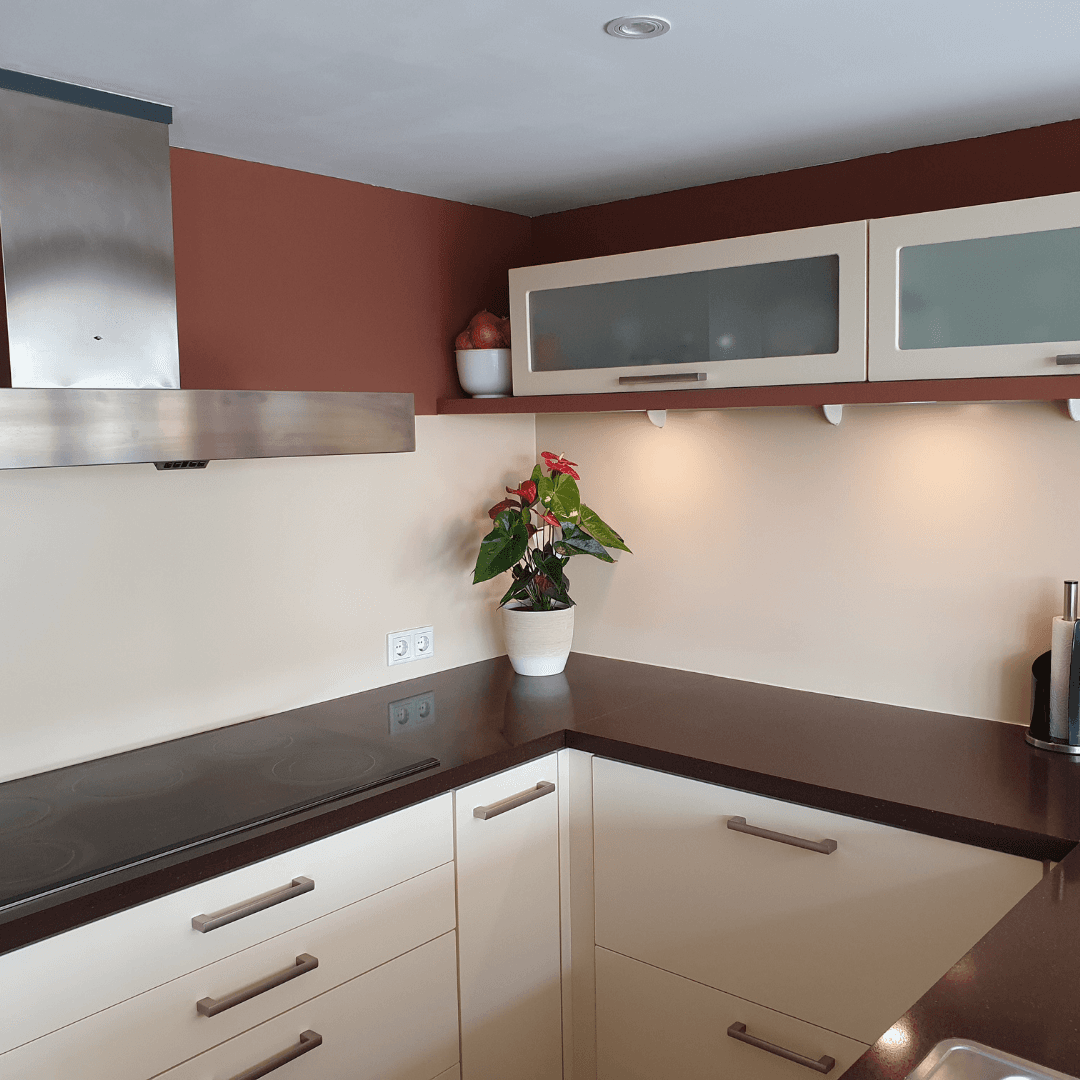
Modern Ivory ACP Splashback for the Kitchen
Outdoor Kitchen with Matte Black Alupanel
Kitchen backsplash with Brushed copper composite panel
Sleek White HPL Kitchen Backsplash