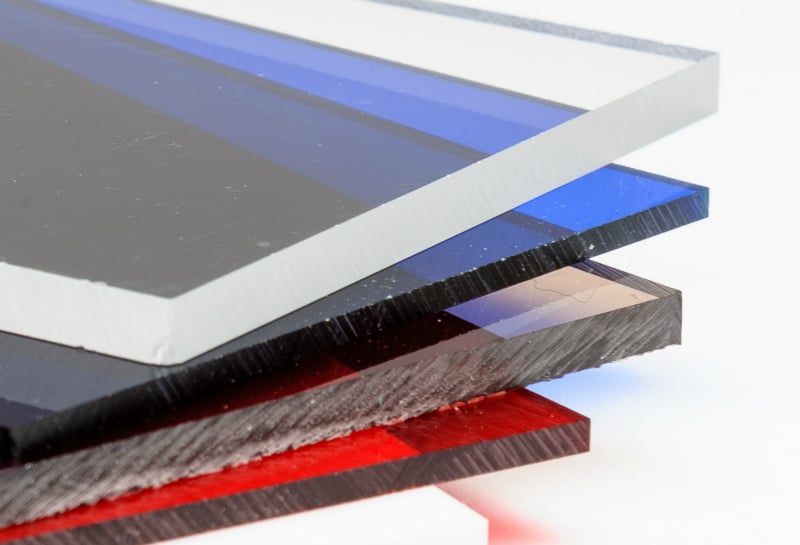
Acrylic properties

Acrylic plastic, also known as polymethyl methacrylate (PMMA), is a lightweight and transparent thermoplastic commonly used as an alternative to glass. Its key properties include excellent light transmission, good impact resistance, low weight, UV and weather resistance and ease of processing.
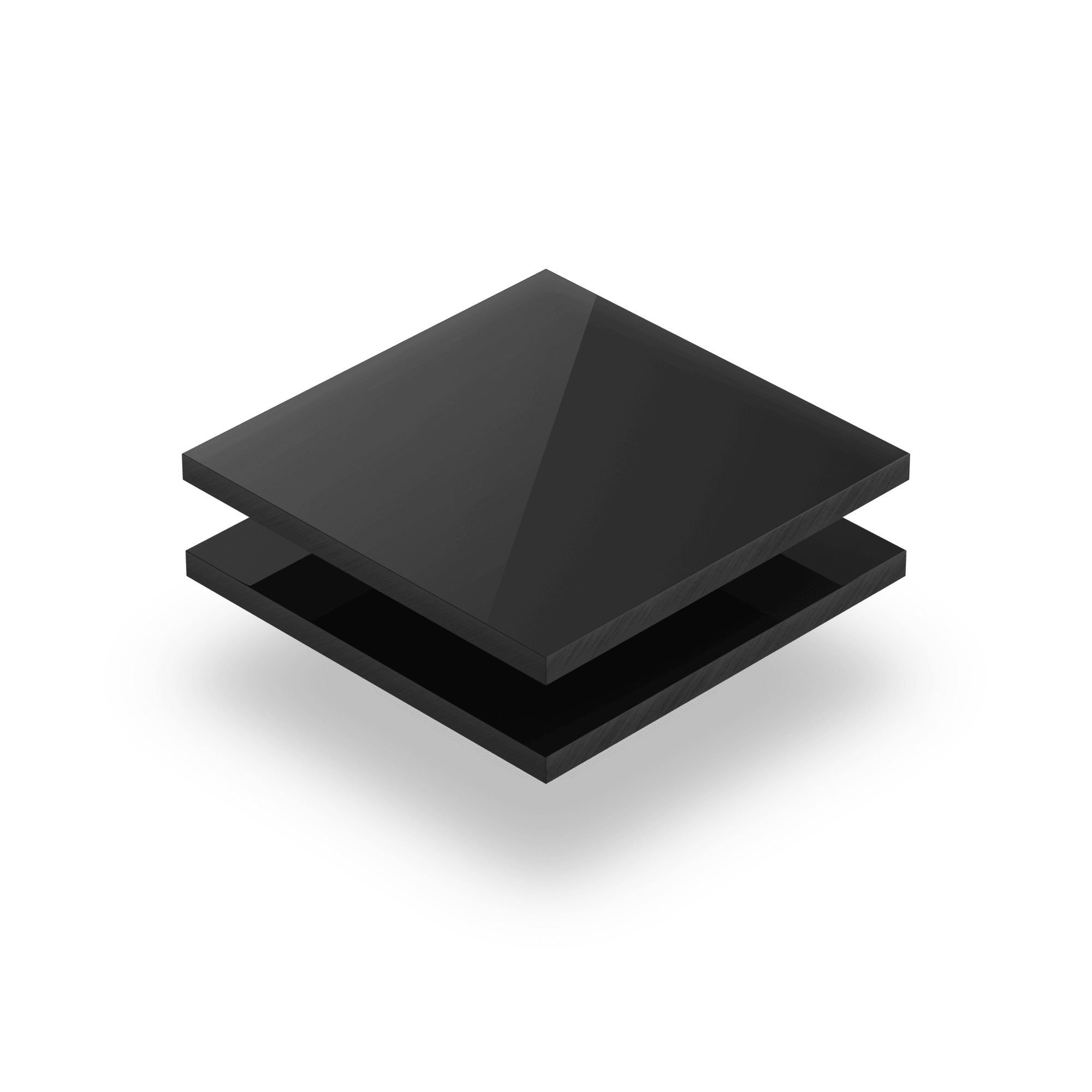
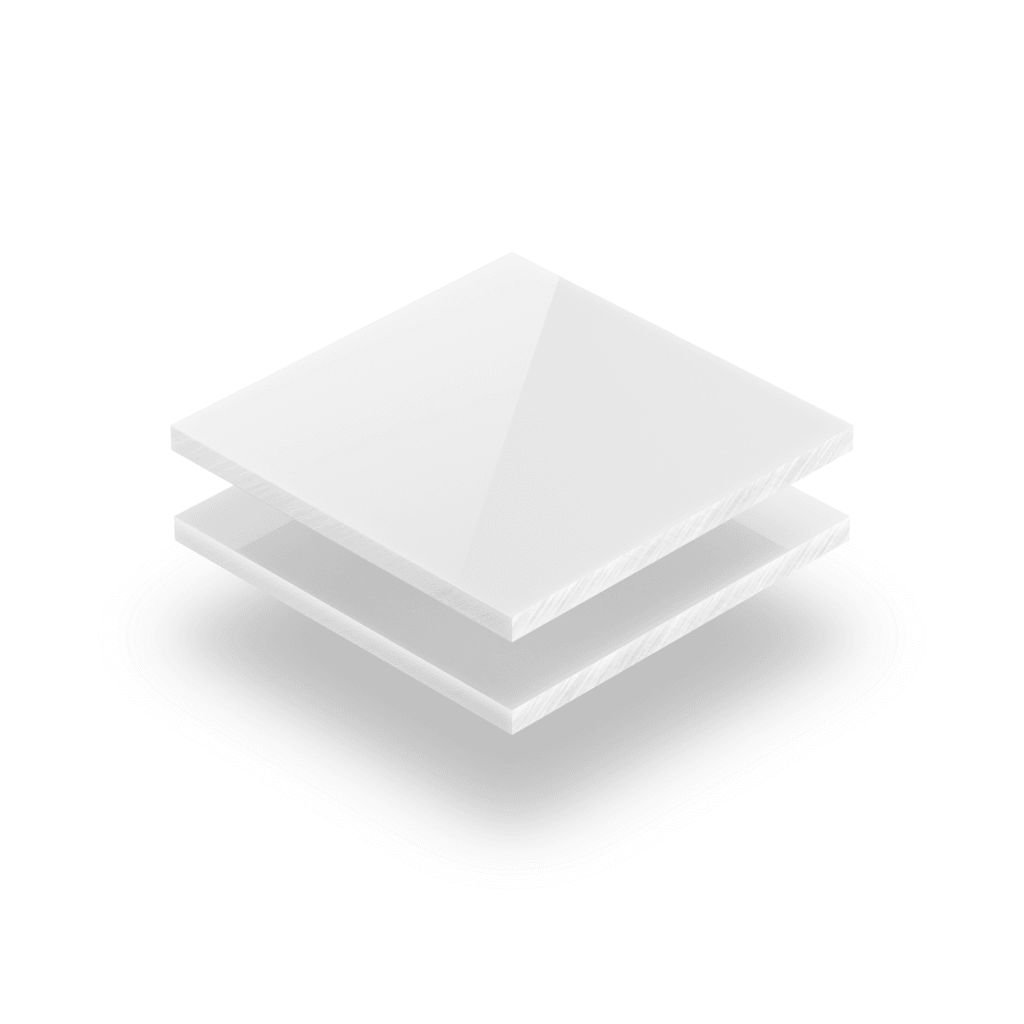
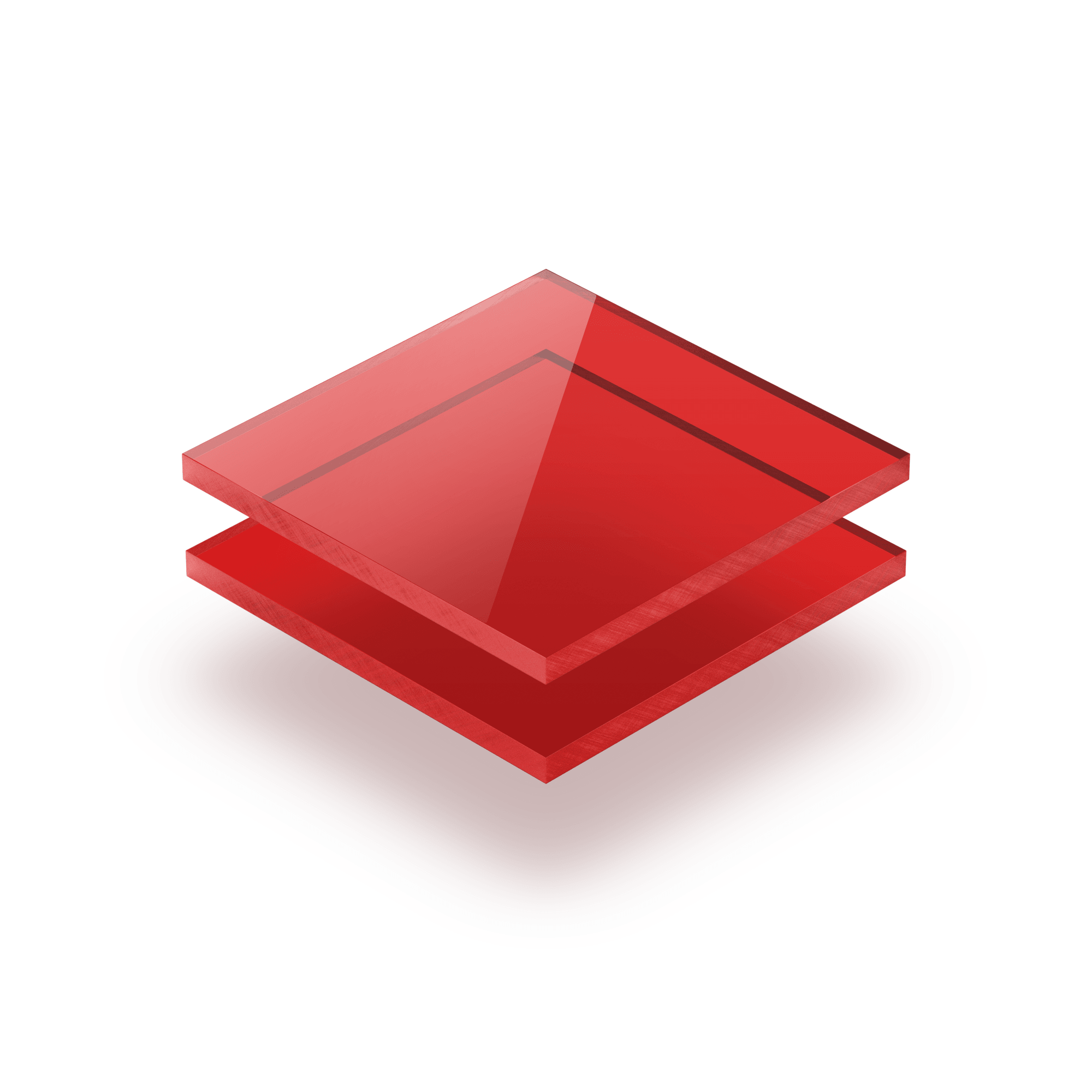
These properties make acrylic suitable for a wide range of indoor and outdoor applications, including secondary glazing, windows, displays, signs, furniture, protective screens and decorative panels. Acrylic sheets are available as both cast (GS) and extruded (XT) material, with each type offering slightly different processing characteristics.

Key properties of acrylic plastic
| Property | Acrlyic |
|---|---|
| Light transmission | Up to 92% for clear acrylic |
| Weight | Around half the weight of glass |
| Density | Approx. 1.18 - 1.19 g/cm³* |
| Impact resistance | Significantly more impact resistant than standard glass |
| UV resistance | Excellent |
| Weather resistance | Suitable for long-term outdoor use |
| Moisture resistance | Very low water absorption |
| Scratch resistance | Better than polycarbonate, although softer than glass |
| Heat resistance | Moderate; acrylic softens when heated |
| Machinability | Can be cut, drilled, sawn, milled, polished and thermoformed |
| Recyclability | Thermoplastic and recyclable |
*Exact technical values can vary depending on the acrylic grade and manufacturer.
Optical and physical properties of acrylic
High light transmission
Clear acrylic offers excellent transparency and can allow up to 92% of visible light to pass through. This gives it a bright, glass-like appearance and makes it particularly suitable for glazing, displays, signs and other applications where clarity is important.
Lightweight
Acrylic weighs around half as much as an equivalent piece of glass. This makes larger sheets easier to transport, handle and install, while still providing a rigid and durable alternative to traditional glazing.
Rigid and dimensionally stable
Acrylic is a relatively rigid material that holds its shape well. This makes it suitable for applications where a flat, stable sheet is required, such as secondary glazing, display cases, signage and furniture.
Strength and durability of acrylic
Impact resistance
Acrylic is significantly more impact resistant than standard glass and is less likely to break under everyday knocks and impacts.
Unlike ordinary glass, acrylic does not typically shatter into large numbers of sharp fragments when it breaks, making it a useful alternative for many glazing and DIY applications.
Scratch resistance
Acrylic has a harder surface and is more resistant to everyday scratching than polycarbonate, although it can still scratch more easily than glass.
Minor surface scratches can often be reduced or removed by polishing the acrylic
Heat and thermal properties of acrylic
Acrylic is a thermoplastic, which means it softens when heated and becomes rigid again as it cools. This allows acrylic sheets to be thermoformed and hot-bent into curves, angles, and other shapes.
Acrylic does not withstand high temperatures as well as materials such as polycarbonate, so it should not be used close to significant heat sources unless the specific acrylic grade is suitable for that application.
Fabrication and machinability of acrylic
One of the advantages of acrylic is that it can be processed using a wide range of DIY and professional fabrication methods.
Acrylic can be:
- Laser cutting
- Cut and scored (Only suitable for thin sheets of approximately 4–5 mm)
- Sawn
- Drilled
- Milled
- Engraved
- Sanded and polished
- Glued
- Hot bent
- Thermoformed
The type of acrylic you are working with can affect how easily it can be processed.
Cast acrylic
Cast acrylic contains fewer internal stresses and is generally better suited to extensive machining, including drilling, sawing and milling.
It is therefore often the preferred choice where an acrylic sheet needs significant fabrication or more complex processing.
Extruded acrylic
Extruded acrylic usually has a more consistent sheet thickness and is generally the more economical option.
The extrusion process creates more internal stresses within the material, so additional care may be needed when drilling, sawing or carrying out other machining.
Typical technical properties of acrylic
The exact technical properties of acrylic depend on the grade and manufacturer. The table below provides typical values for acrylic sheet.
| Technical property | Typical value |
|---|---|
| Light transmission | Up to 92% |
| Density | Approx. 1.18–1.19 g/cm³ |
| Specific gravity | Approx. 1.18–1.19 |
| Flexural strength | Approx. 105–115 MPa |
| Water absorption | Approx. 0.2–0.4% |
| Heat-deflection temperature | Approx. 95–105 °C |
| Maximum continuous-use temperature | Approx. 70–80 °C |
For applications where a particular mechanical or thermal specification is important, always check the technical data for the specific acrylic sheet being used
What are acrylic sheets used for?
The combination of clarity, low weight, weather resistance and ease of processing makes acrylic suitable for a wide variety of applications.
| Application | Why acrylic is suitable |
|---|---|
| Secondary glazing | Clear, lightweight and more impact resistant than glass |
| Shed, caravan and boat window | Good clarity, UV resistance and weather resistance |
| Displays and showcases | High transparency, rigidity and easy fabrication |
| Signs and nameplates | Weather resistant and easy to cut, engrave and print |
| Furniture and interior panels | Lightweight, attractive and easy to process |
| Door canopies | Lightweight and weather resistant |
| Decorative panels | Available in a wide range of colours and finishes |
| DIY projects | Easy to cut, drill and shape using suitable tools |
What are the limitations of acrylic?
Although acrylic has many useful properties, it is not the best material for every application.
Some limitations to consider include:
- It can scratch more easily than glass.
- t is less impact resistant than polycarbonate.
- It has lower heat resistance than polycarbonate.
- Strong solvents such as acetone can damage the surface.
- Extruded acrylic requires more care during extensive machining.
If maximum impact resistance or higher heat resistance is more important than clarity and scratch resistance, polycarbonate may be the more suitable material.