Plastic Sheets Shop logo

What is Dibond®?

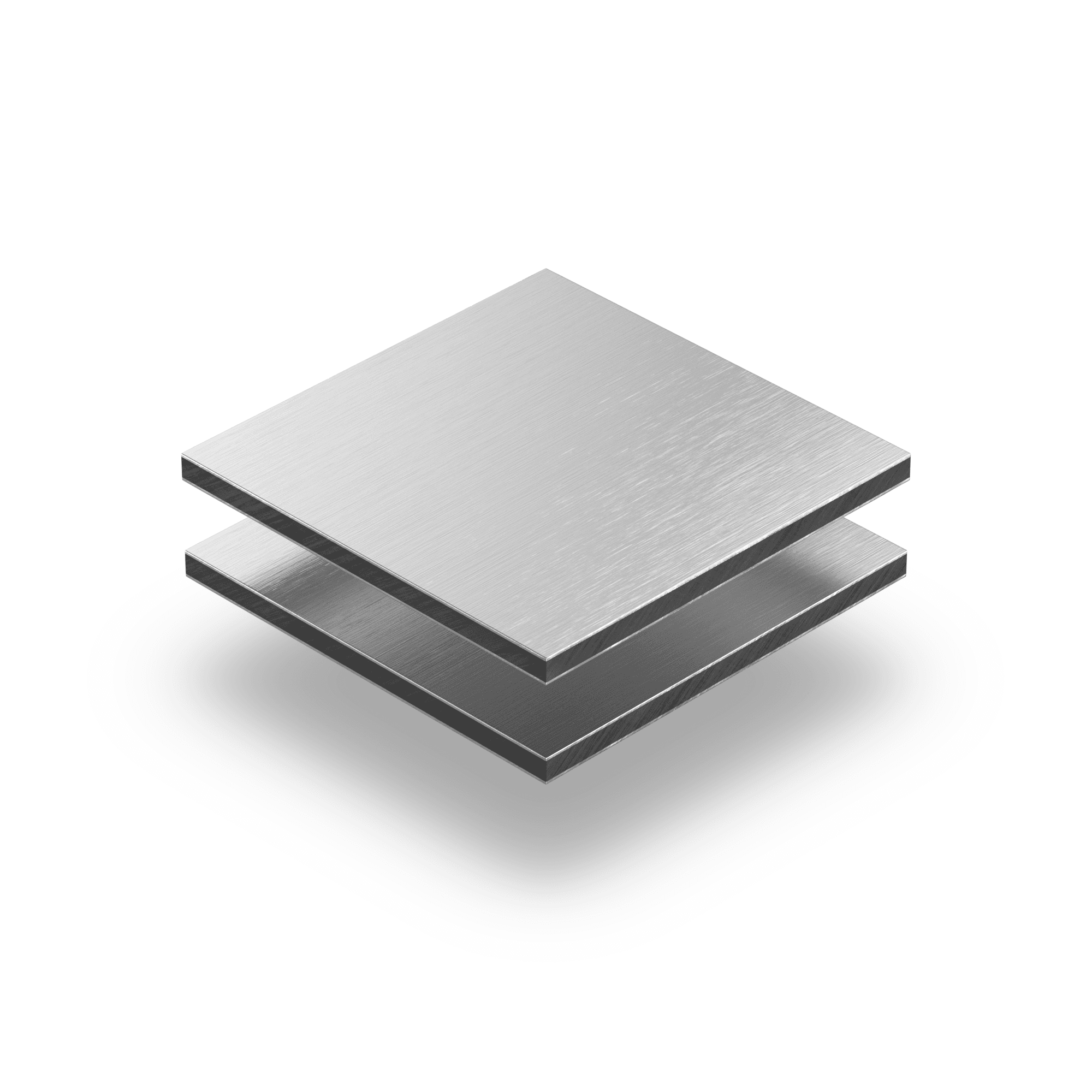
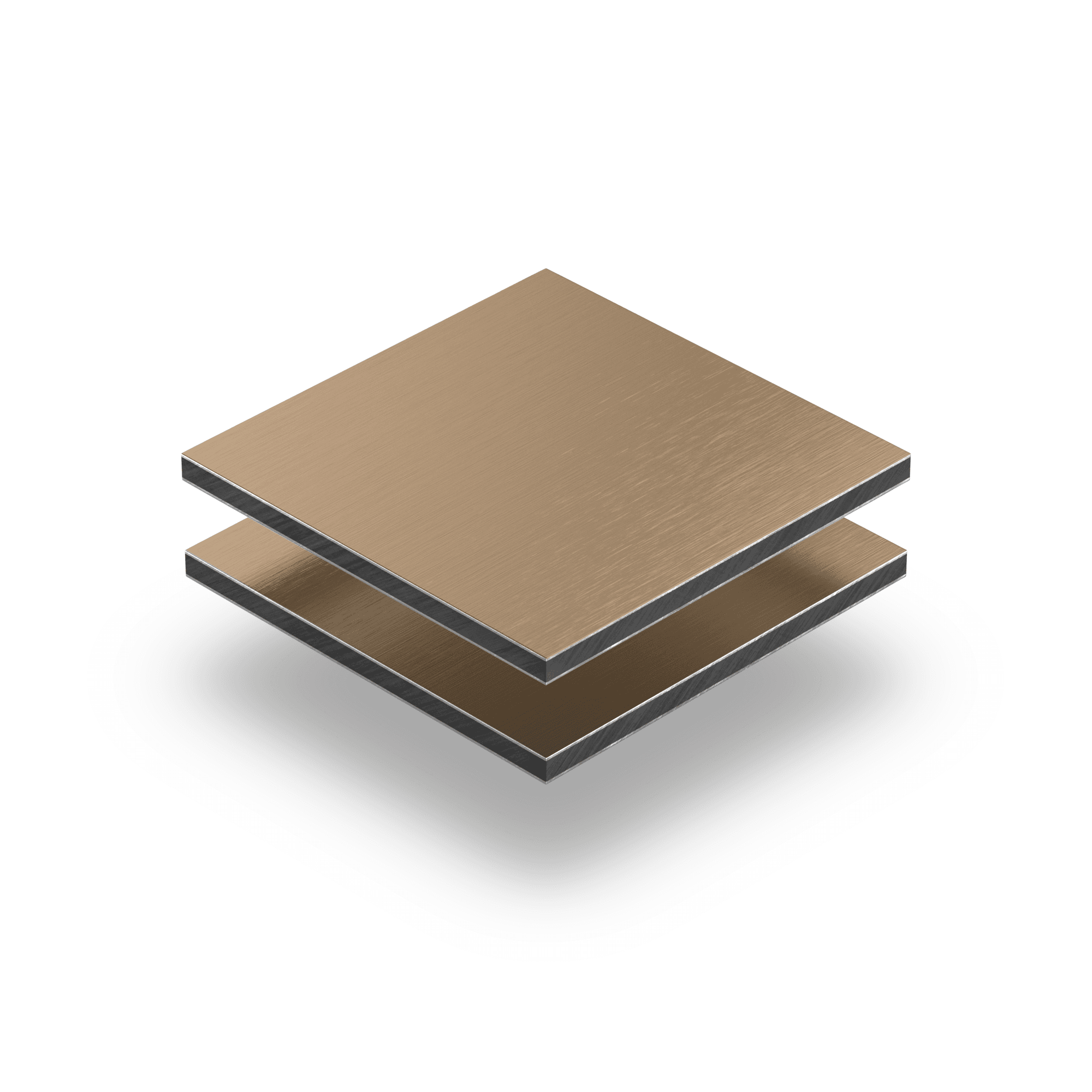
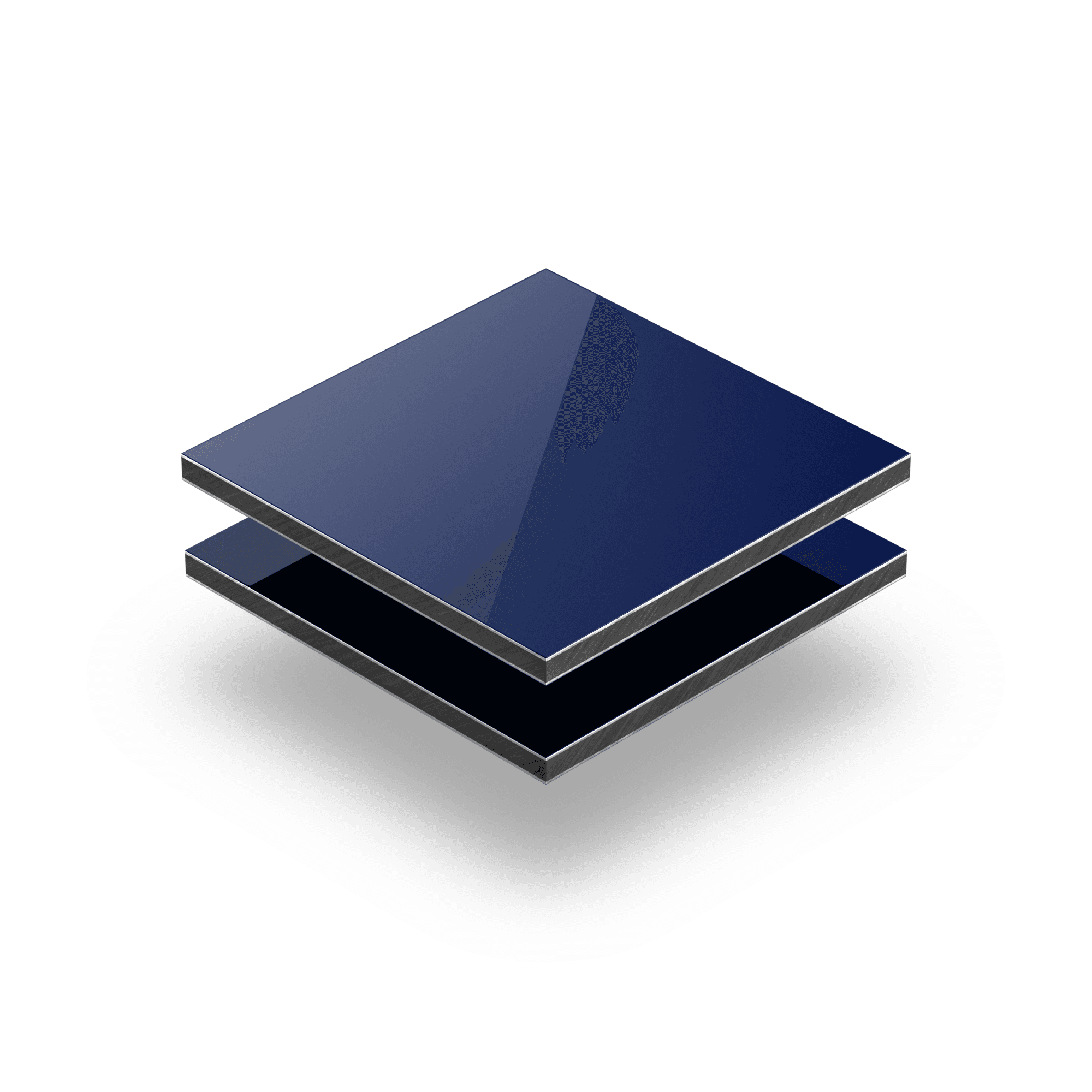
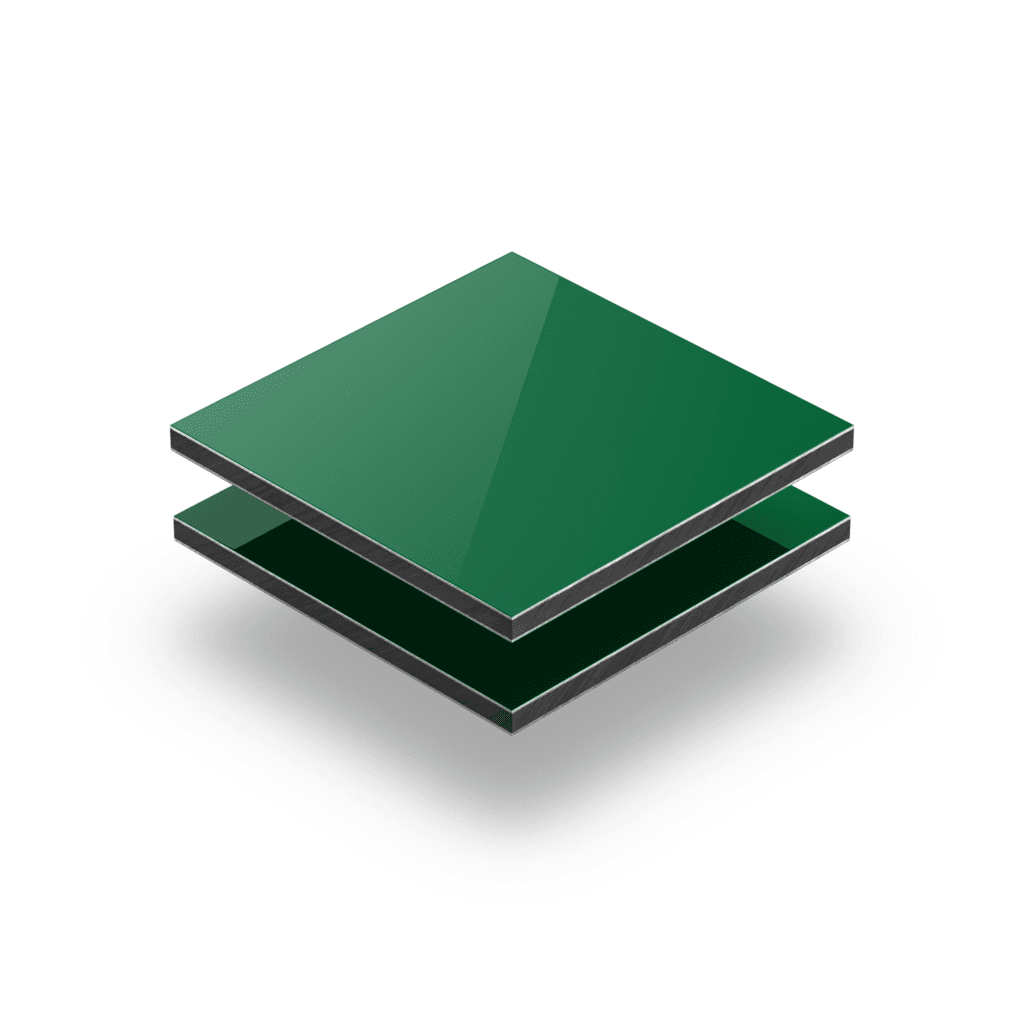
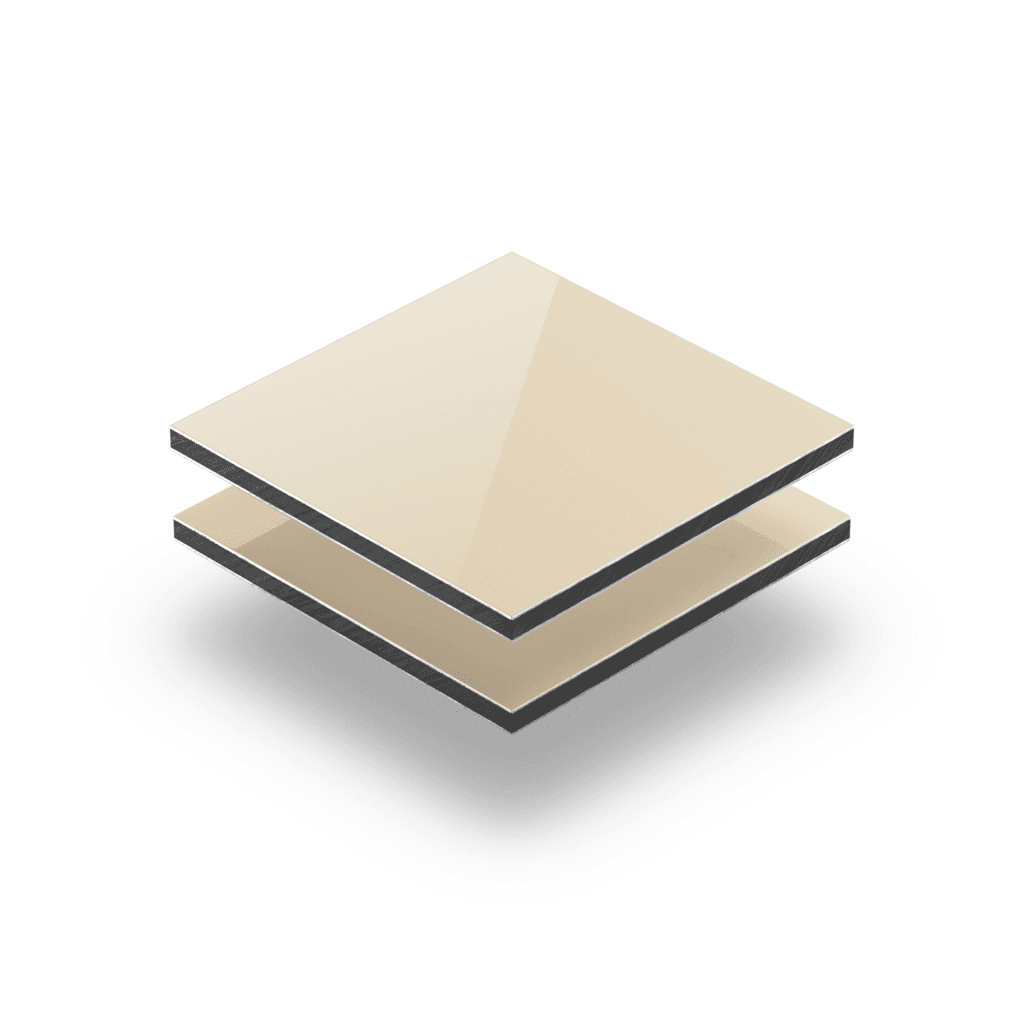
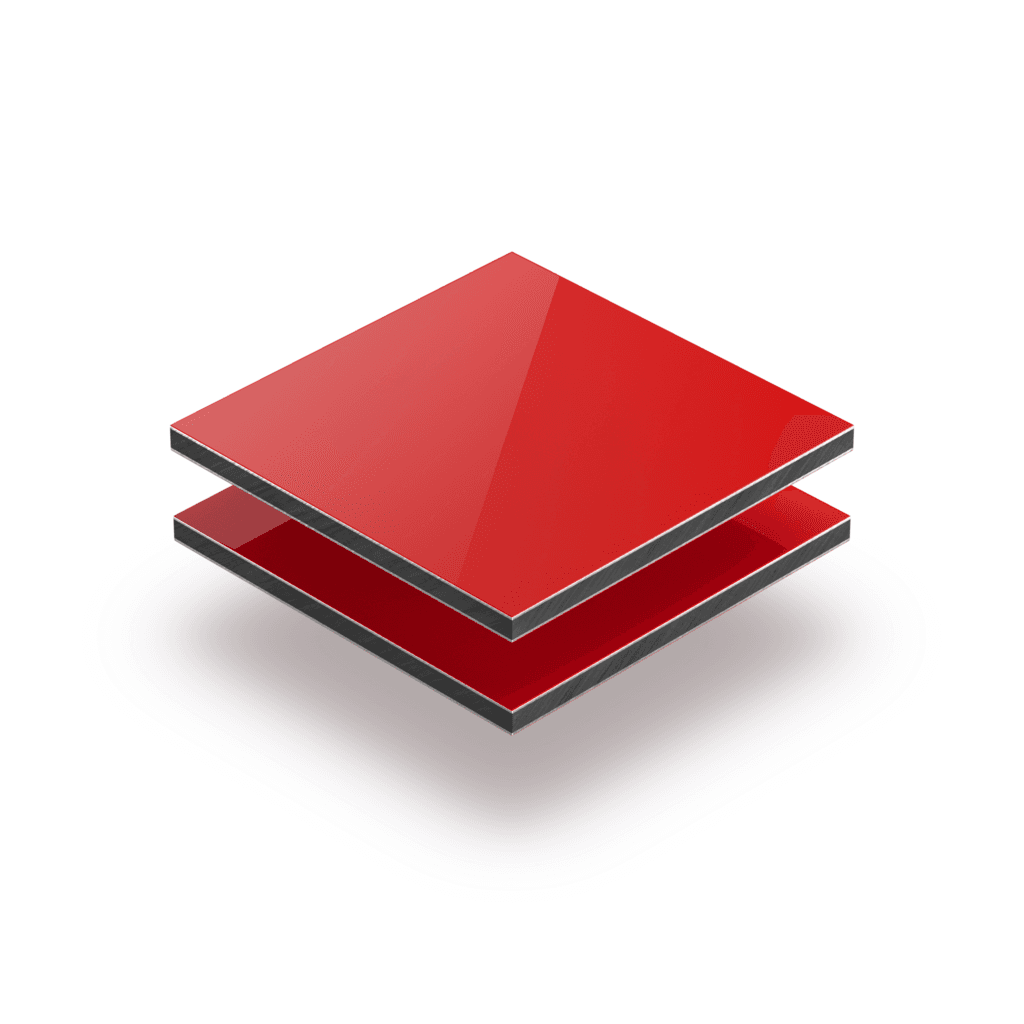
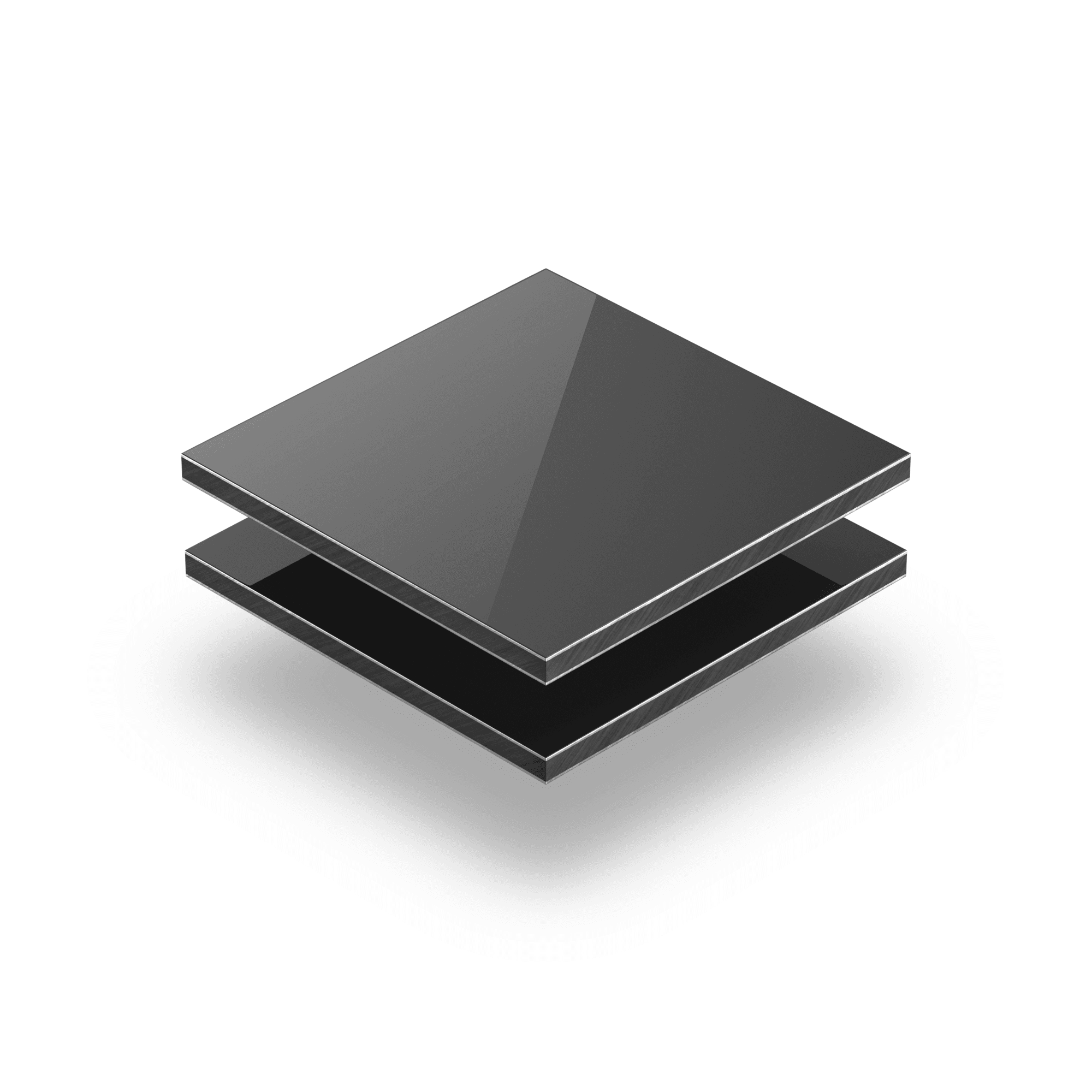
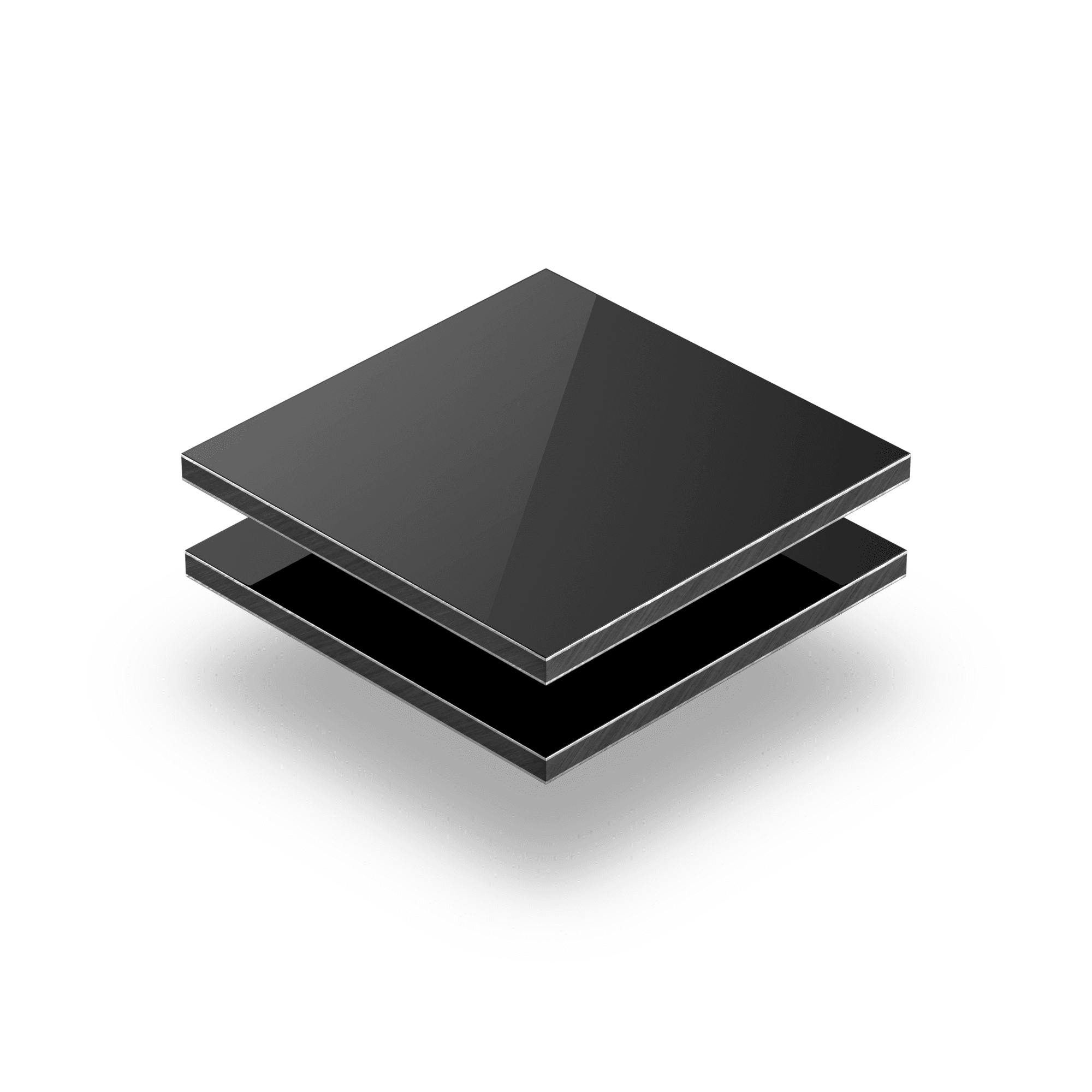
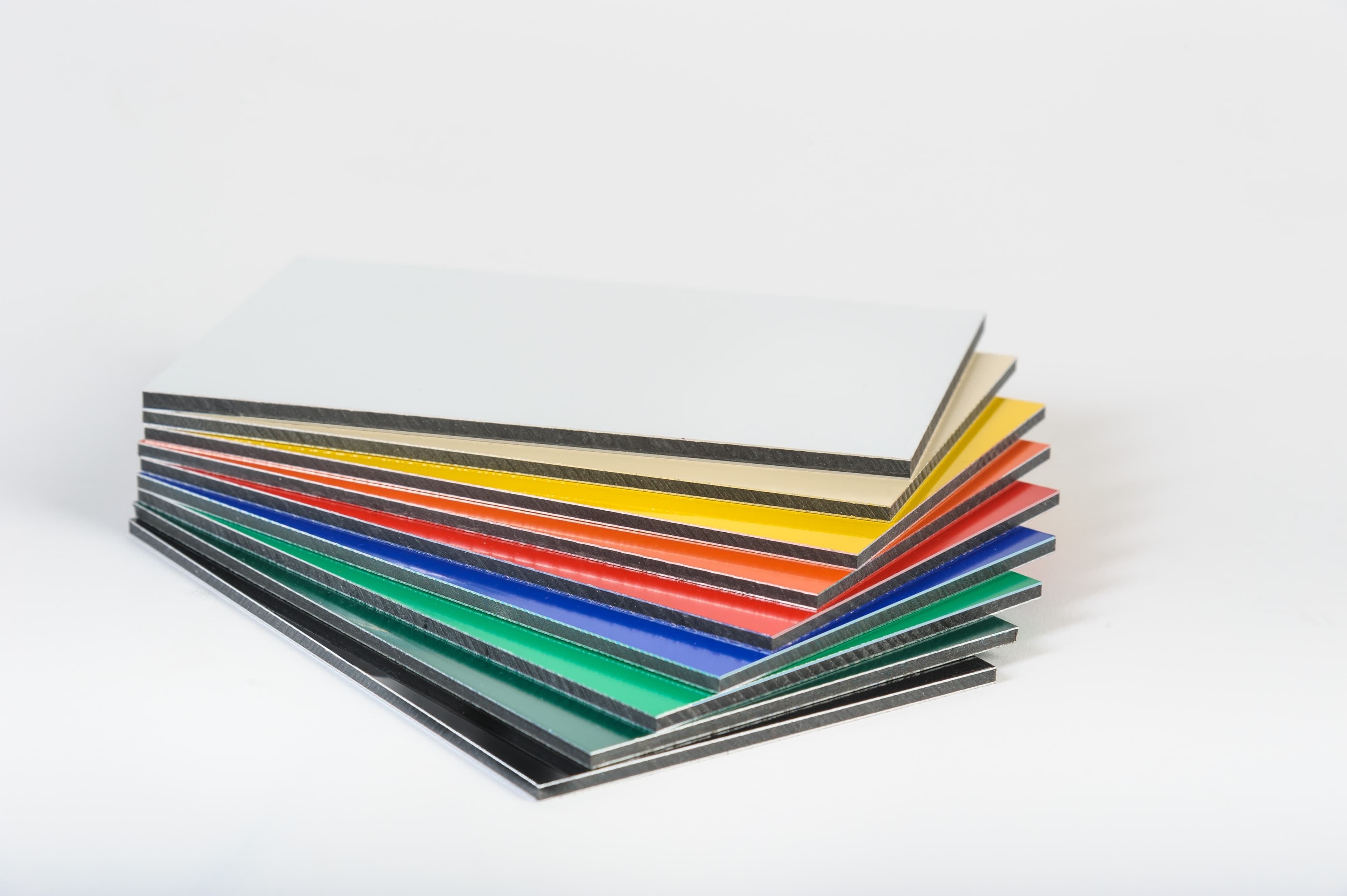
Dibond® colours
Arjen
An article from ourArjen de Vos

What is Dibond® material?

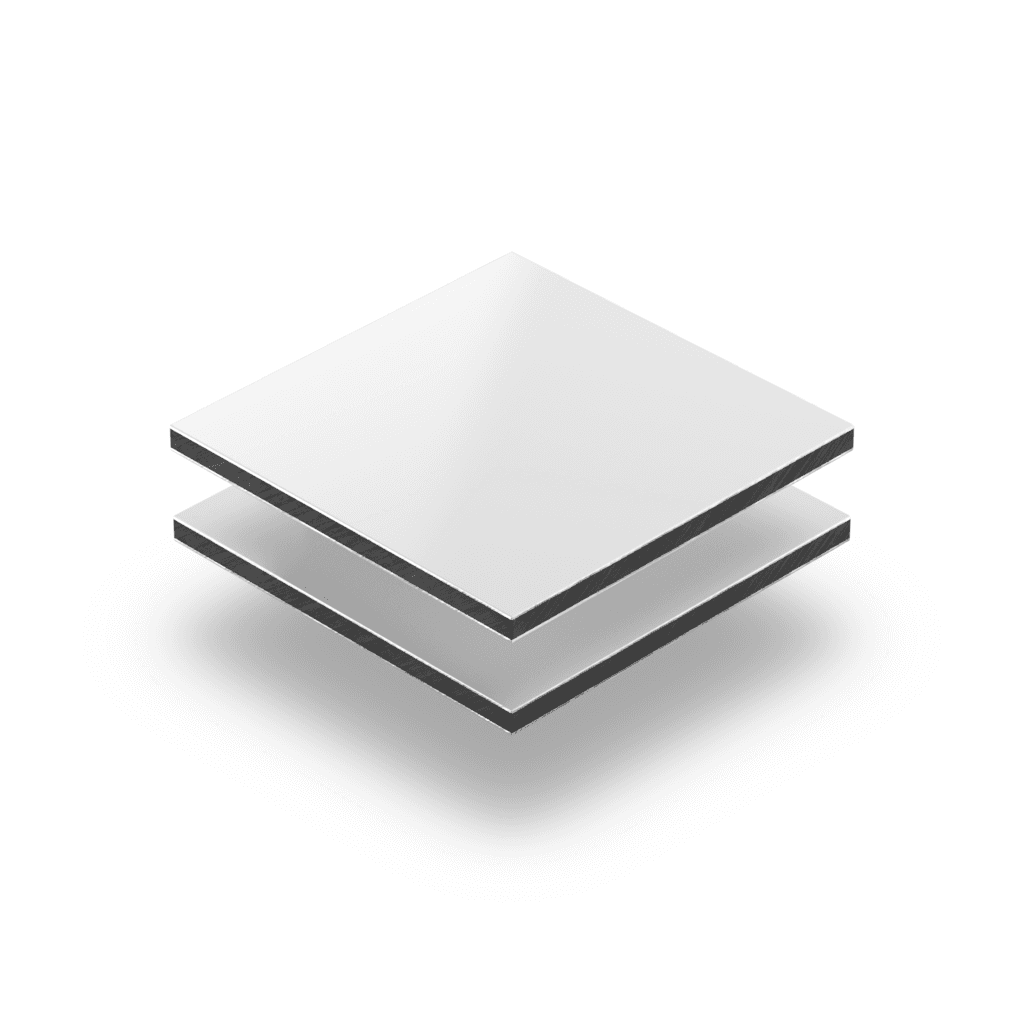
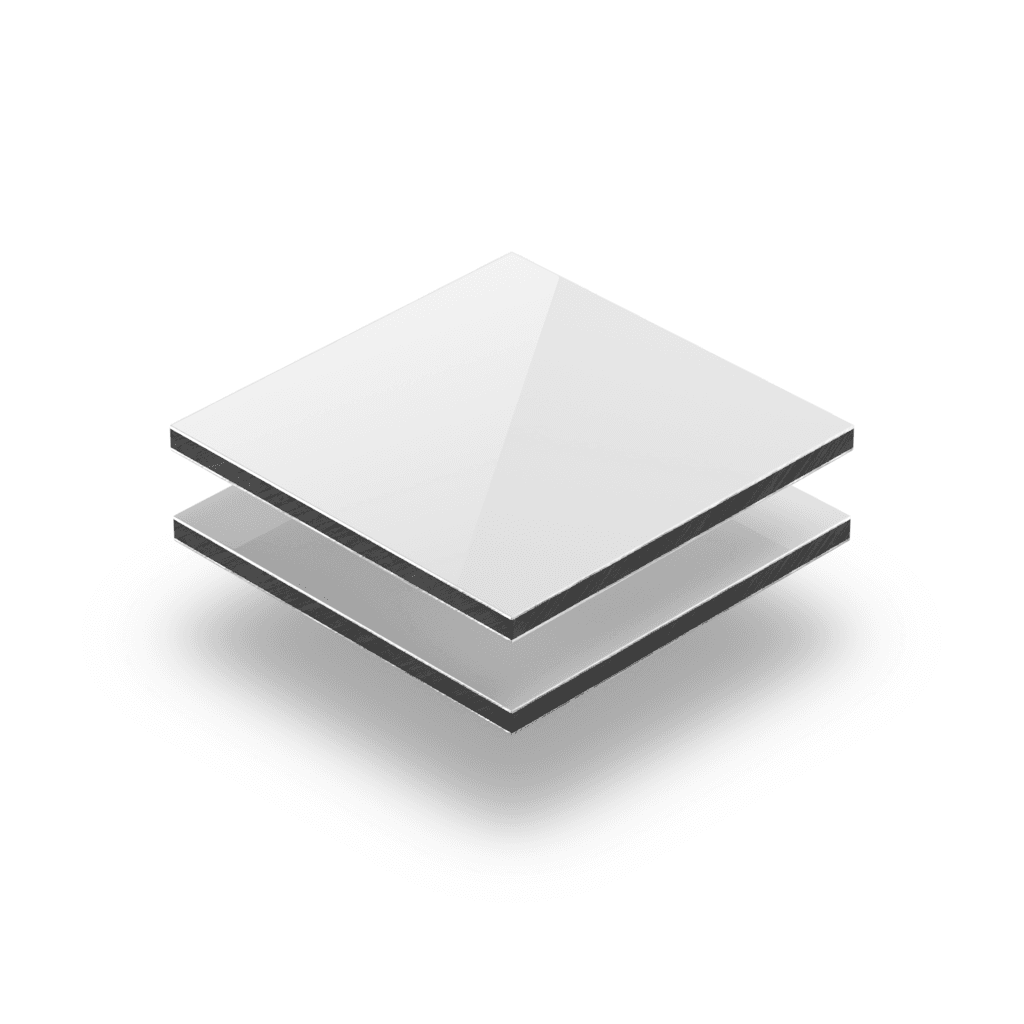
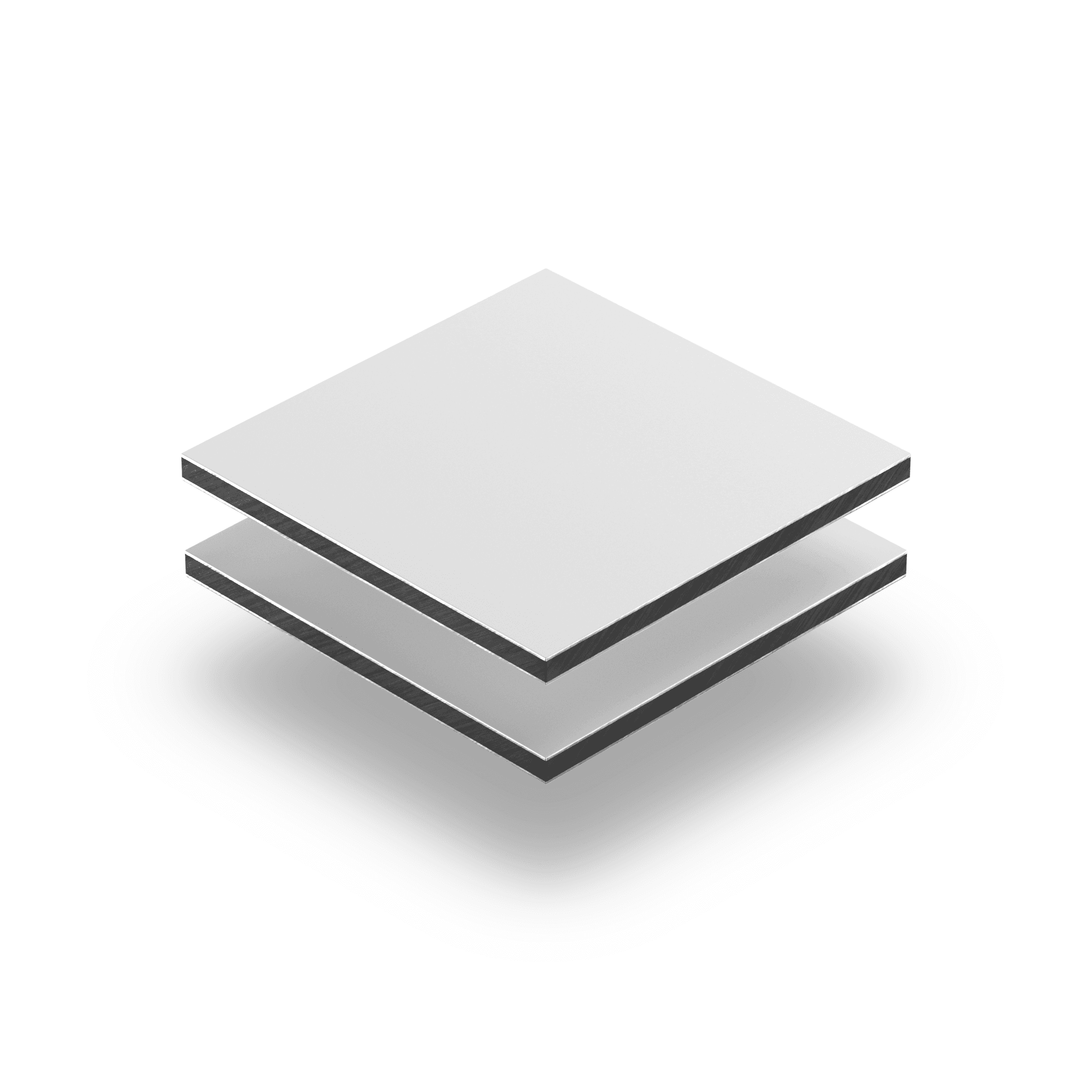
Dibond® is made of a material called an aluminium sandwich board. Dibond®, as the name suggests, consists of three layers. The outer sides are made up of two layers of 0.3 mm thick aluminium, which makes the sheet rigid. The middle layer is LDPE, which is very lightweight. This sandwich construction makes Dibond® a rigid, yet lightweight material.

Why is this aluminium sandwich panel called 'Dibond®'?

Dibond® is simply a brand name of aluminium composite panels. Alupanel, is another type of aluminium sandwich panel. Both the Dibond® and Alupanel house brands that we offer in our range of products are of high quality.

What are the advantages of Dibond®?

Dibond® material is a versatile board, which is both rigid and lightweight, because of the aluminium outer layers and LDPE core. But the material Dibond® has even more advantages and special properties, which include:
  • UV-resistant
  • Moisture-resistant
  • A thickness tolerance of ±0.2 mm
  • Fire class D, s2 and d0

What is Dibond® mostly used for?

The Dibond® properties make it suitable for a wide range of applications. The sheet is regularly used by both private individuals and within various industries. Dibond® is often used as an alternative to PERSPEX®️, because the materials look similar from the outside. In the following images, you can see what other handymen have used Dibond® for.

What are the technical properties of Dibond®?

Dibond® sandwich panels have the following technical properties:
  • Composition LDPE core and 0.3 mm thick aluminium layers
  • Thickness tolerance ± 0.2 mm
  • Fire class D, s2, d0
  • Operating temperature -50 °C to 80 °C

What processing possibilities does Dibond® have?

Dibond® sheets are easy to work with, even for a DIY enthusiast. You can easily cut, mill, paint, glue, drill the Dibond® sheet material - as long as you use good tools. Especially good metal saws and HSS drills. You can read more about making bolt and rivet joints in our blog: Joining Dibond®. It’s also handy to know that because Dibond® material is a lightweight plastic, you don't need to use much sealant during assembly. This also means that you can dismantle the sheet quite easily. So working Dibond® does not have to be a problem for the DIYer.

Is Dibond® flexible?

Dibond® sheet material is suitable for bending. There are different methods of bending Dibond® to achieve different effects.

Small corner bending

By milling a V-groove in the Dibond® sandwich sheet, Dibond® can even be bent at right angles. Use a circular saw or cutter, both with V-groove of course. After you have made the V-groove, the sheet can easily be bent (by hand).

Wide-angle bending

You can bend Dibond® around a tube to achieve your desired radius. No pre-processing is required for this method.
Arjen
Arjen de VosArjen de Vos, a product expert and seasoned DIY specialist, brings a wealth of experience in interior construction to his role at Plasticsheetsshop. With over a decade of expertise in interior design and furniture making, he stands out as a versatile and knowledgeable professional in his field.
Share this article
Updated:
Published:

Everything cut to size
Customer service man
We are happy to help you!

Find your answer quickly and easily via our customer service page

Safe payment
Secure payment
Chamber of Commerce 10888041VAT GB303723535