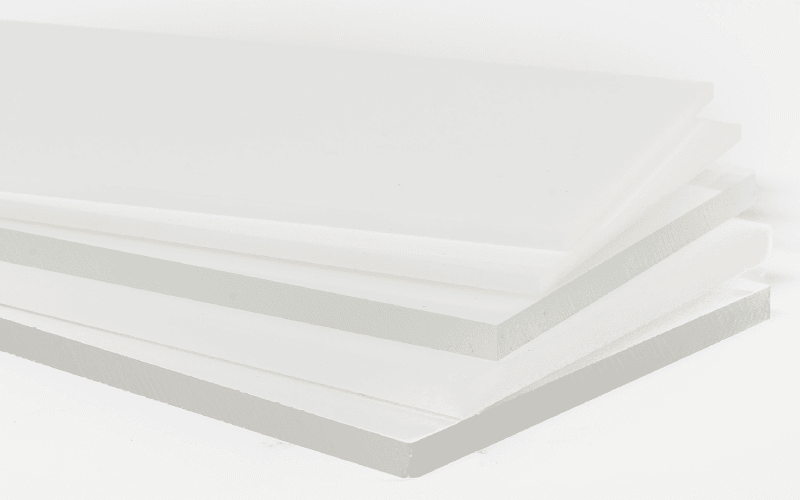
What is polycarbonate?

Polycarbonate is a type of plastic. More specifically, it is a tough, transparent thermoplastic polymer known for its high impact resistance, clarity and ability to withstand a wide range of temperatures.
One of the most important properties of polycarbonate is its strength. It can be up to 250 times stronger than standard glass, while remaining considerably lighter. This makes polycarbonate particularly useful where transparency and high impact resistance are both required.
Key properties of polycarbonate
Polycarbonate combines several useful properties that make it suitable for both indoor and outdoor applications.
| Property | Explanation |
|---|---|
| Impact resistance | Up to 250 times stronger than standard glass |
| Transparency | High light transmission with a clear, glass-like appearance |
| Weight | Considerably lighter than glass |
| Heat resistance | Suitable for use across a wide range of temperatures |
| UV resistance | PSS polycarbonate sheets are UV resistant and suitable for outdoor use |
| Workability | Can be sawn, drilled, milled, bent and thermoformed |
| Scratch resistance | More susceptible to scratching than glass and acrylic |
| Material type | Thermoplastic |
Why is polycarbonate called a thermoplastic?
Polycarbonate is described as a thermoplastic because it softens when heated and becomes rigid again as it cools.
This allows the material to be shaped and thermoformed using heat, making it suitable for applications where flat sheets need to be bent or formed into different shapes.
Why is polycarbonate so widely used?
Polycarbonate sheet combines transparency with very high impact resistance, making it useful in situations where ordinary glass may be too fragile.
Unlike glass, polycarbonate is much less likely to crack or shatter when struck. It is also relatively lightweight and can be processed using a range of common fabrication techniques.
These properties make it particularly useful for glazing, safety applications, protective screens and outdoor projects.
What is polycarbonate used for?
Polycarbonate is used across a wide range of domestic, commercial and industrial applications.
Safety and protective applications
Its high impact resistance makes polycarbonate particularly suitable for:
- Safety glazing
- Protective goggles
- Machine guards
- Protective screens
- Bus shelters and waiting areas
- Security glazing
Construction and outdoor applications
Clear polycarbonate is also widely used as an alternative to glass for:
- Greenhouses
- Patio covers and canopies
- Secondary glazing
- Shed and replacement windows
- Boat and caravan windows
Automotive and specialist uses
Polycarbonate is also used for products such as vehicle headlight lenses and other applications where a combination of transparency, strength and relatively low weight is required.
Is polycarbonate UV resistant?
Our polycarbonate sheets are UV resistant, making them suitable for outdoor applications.
UV protection helps the material retain its clarity and appearance when exposed to sunlight. Standard polycarbonate does not always have the same level of UV protection, so the specification of the sheet should always be checked before using it outside.
Is polycarbonate the same as acrylic?
No. Polycarbonate and acrylic are both transparent thermoplastics, but they have different properties.
Polycarbonate provides significantly greater impact resistance and better heat resistance, making it particularly useful for safety glazing and applications where strength is the main priority.
Acrylic is more scratch resistant, generally offers slightly higher clarity and is usually the more economical option.
The right material therefore depends on what you need from the sheet. Read our full acrylic vs polycarbonate comparison for a more detailed breakdown.
Is polycarbonate easy to cut and process?
Polycarbonate is a highly workable material and can be processed in several ways. Depending on the thickness and shape required, it can be:
- Sawn
- Drilled
- Milled
- Bent
- Thermoformed
- Polished
Its high impact resistance also means it is less prone to cracking during processing than more brittle plastic materials.
For the best results, use the correct tools and techniques for the job. See our dedicated guides on drilling polycarbonate and other polycarbonate processing methods for more detailed advice.
Polycarbonate is more susceptible to surface scratching than normal glass, so care should be taken during handling and cleaning. Keep the protective film in place while processing the sheet and use suitable cleaning and polishing products if scratches occur.